
How Regenerative Medicine is Transforming the Future of Human Health
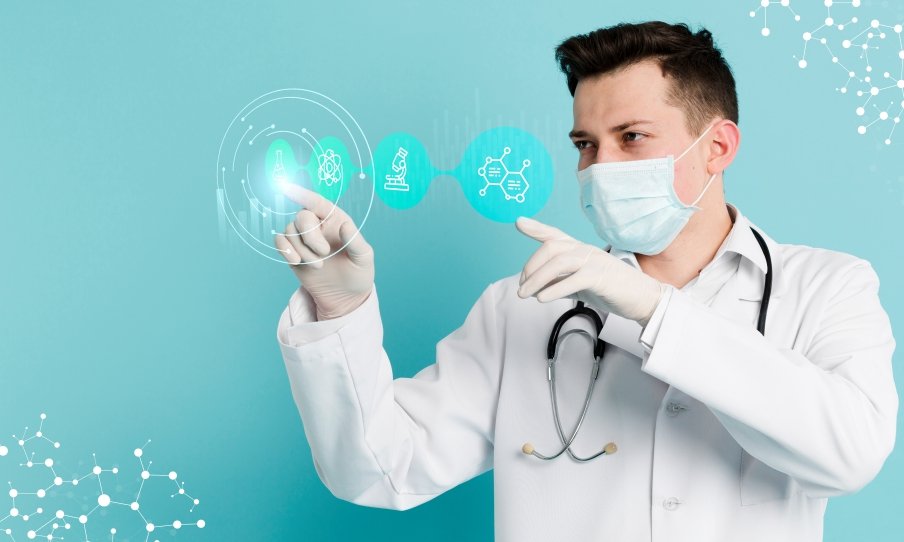
Rewriting the Biology of Healing
Medical practice has spent more than 100 years working to develop treatments that address symptoms, control disease progression, and restore health through surgical operations and medication. The present time has introduced a new medical domain that seeks to provide health solutions that will enable humans to achieve their natural healing capabilities.
Regenerative medicine brings a fundamental change to medical practices by enabling doctors to restore body tissues, complete organ regeneration, and treat diseases that used to be untreatable. Regenerative medicine creates new definitions for healing by using the body’s natural biological systems while also establishing new routes to improve human health in the future.
Understanding the Promise of Regenerative Medicine
Regenerative medicine exists because damaged biological tissues and organs can receive restoration through natural biological methods. Scientists are investigating methods that enable them to restore complete physical function through tissue regeneration instead of only treating diseases. The field combines multiple scientific disciplines, which include stem cell biology, tissue engineering, biomaterials science, and gene therapy.
The research developments enable scientists to create medical solutions that trigger the body’s natural ability to regenerate tissue. Regenerative medicine offers a solution to medical conditions that require ongoing treatment because it provides a potential cure for these conditions.
Stem Cells and Cellular Regeneration
Stem cells serve as the main foundation for regenerative medicine because they possess the exceptional capacity to differentiate into various specialized cell types.
Researchers are studying how stem cells can be used to regenerate tissues damaged by injury or disease. Scientists investigate stem cell therapies to treat spinal cord injuries, heart disease, neurodegenerative disorders, and autoimmune conditions.
Scientists aim to achieve tissue repair and functional restoration by introducing or activating regenerative cells to affected areas. The early results from multiple therapies currently undergoing clinical development show a strong potential to transform existing treatment methods.
Tissue Engineering and Artificial Organs
Another major component of regenerative medicine is tissue engineering. This field focuses on creating biological structures—such as skin, cartilage, or even organs—using a combination of living cells and supportive biomaterials.
Scientists design scaffolds that guide cell growth into functional tissues. In some cases, these structures can be implanted into the body to replace damaged tissue.
Advances in three-dimensional bioprinting are further accelerating progress. Researchers are experimenting with printing living tissues layer by layer, potentially enabling the creation of transplantable organs in the future.
Gene Therapy and Molecular Repair
Regenerative medicine utilizes gene therapy methods to treat diseases that originate from their genetic basis.
Scientists are able to treat basic disease causes through gene editing because they can change existing genetic material in cells.
Researchers are using gene editing technologies to fix genes that cause inherited disorders.
The methods have the potential to create permanent treatments that will eliminate the need for ongoing medical care of disorders. The combination of gene therapy with regenerative techniques creates powerful opportunities for personalized medicine.
Transforming the Treatment of Chronic Diseases
The body cannot heal itself from the slow tissue destruction that occurs in various chronic diseases.
Heart failure and osteoarthritis and diabetes and neurodegenerative disorders create permanent health challenges for millions of patients. Regenerative medicine provides innovative solutions to tackle these particular problems.
The therapies can restore damaged body parts and lost cellular abilities which enables patients to achieve better life outcomes while needing less medical treatment. Healthcare now experiences a fundamental transformation because medical professionals learned to reverse disease progression instead of only delaying its advancement.
Reducing Dependence on Organ Transplants
Organ transplantation is one of the vital medical procedures that saves lives yet its practice depends on available donor organs and the danger of immune system rejection.
The field of regenerative medicine offers a solution to existing constraints because it enables scientists to produce bioengineered tissues and organs. Scientists who develop functional organs from a patient’s own cells will decrease all organ transplant compatibility problems.
The potential development of this solution will transform organ transplant procedures because it solves persistent organ donor shortages.
Ethical and Regulatory Considerations
The regenerative medicine field shows potential, yet it creates significant ethical and regulatory challenges that need to be addressed. Stem cell research, together with genetic engineering and experimental medical treatments, needs strict supervision to protect patient safety and ensure ethical research execution.
Regulatory bodies, research institutions, and medical organizations are developing guidelines that will help them protect both their rights and their responsibility to protect human rights. The field needs transparent governance because it requires ongoing governance to develop.
Conclusion
The field of regenerative medicine introduces a new approach to healing, which focuses on fundamental biological restoration instead of disease management. Scientists investigate methods of internal body repair through their work with stem cells, tissue engineering, gene therapy, and personalized treatments.
The existing medical challenges create obstacles, yet current progress indicates that future medicine will develop methods to restore damaged tissues and recover lost functions while enhancing patient outcomes. The field of regenerative medicine establishes new medical boundaries that will create a future medical landscape for human health.