
AI‑Driven Telehealth Transforms Global Healthcare in 2026 
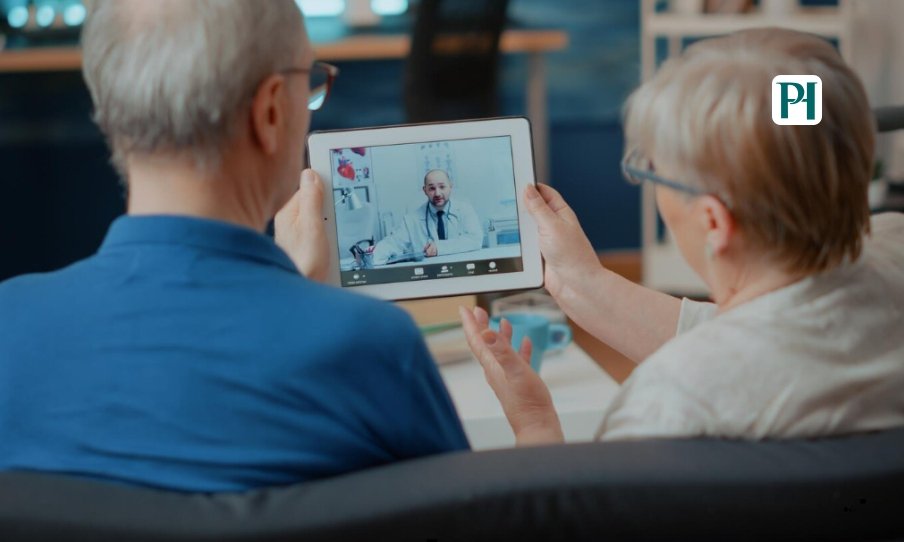
By 2026, clinics everywhere begin leaning on smart software during video appointments, changing just how care reaches people while easing staff demands. Instead of typing everything out, providers watch as algorithms sort patient complaints, pull key details from conversations, then build visit summaries live.
Behind the scenes, these digital helpers spot warning signs in records, shoot off automated messages for check-ins, even guide treatment steps so basics stay consistent whether seen online or face to face. Doctors gain breathing room for tougher choices because routine chores slip into machine hands. Mistakes fade when patterns hold steady across visits, human and screen sharing the load.
Some top healthcare setups across America, Europe, and pockets of Asia now use AI-powered online clinics to manage long-term illnesses, emotional well-being, plus recovery after operations – results show people wait less, feel more satisfied. Where hospitals lack staff, especially far from cities or in poorer areas, basic tools using text messages or spoken prompts help sort symptoms and share medical knowledge.
As these digital helpers spread, oversight bodies push stricter standards: personal data must stay safe, software decisions can’t favor one group, every system should open its logic for review, individuals deserve plain details if a machine shapes their care plan.
Read Also: Women Healthcare Leaders Drive AI‑Enabled Access and Equity in 2026