
Comprehensive Medical Guide to the Uses and Benefits of Ecosprin 75 Tablets 
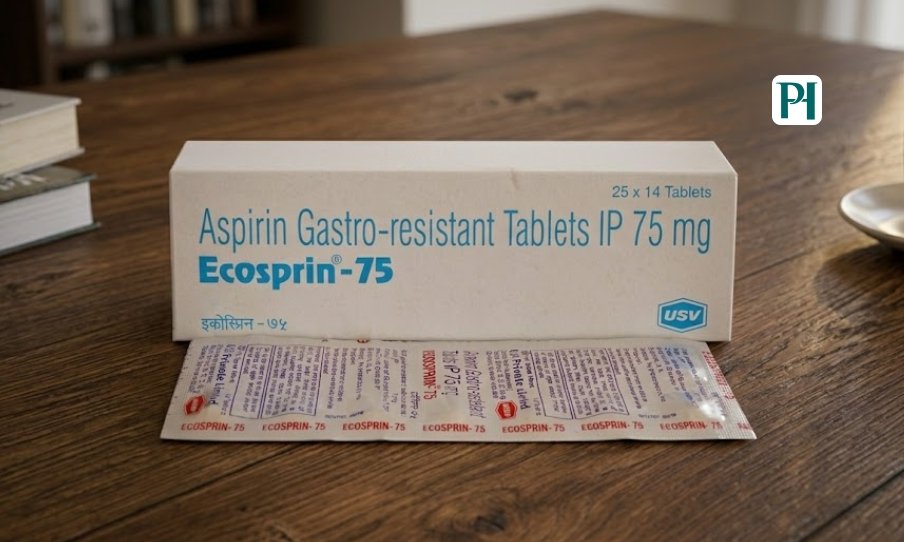
Medicine today looks different because drugs that stop blood clots became common. One well-known example? Ecosprin 75 – just a small amount of aspirin used often to protect the heart. Instead of letting things stay complicated, it works in a quiet way, touching only certain parts of how blood moves. Platelets, those tiny bits in your bloodstream, change their habits when this drug enters the scene. Because of that shift, doctors find it easier to plan ahead for patient safety over years. Thick blood causes trouble; keeping it flowing smoothly avoids big problems later. Clots might form fast without warning, but this treatment slows them down before they start.
The Hidden Process Behind Blood Thinning Medications
Understanding ecosprin 75’s role starts with how clots develop. Blood relies on platelets to seal wounds when harm occurs. Yet people dealing with heart conditions may see those cells turn hyperactive. Clumps forming inside vessels – when none are needed – can block circulation to crucial body parts. The medicine contains a substance that shuts down the COX enzyme for good, changing its function completely. That shift cuts back on making thromboxane A2, a chemical pushing platelets to stick together tightly. Slowing down this chemical message helps the medicine reduce how much blood clumps together, helping it flow better through tight or harmed veins. Because of this shield-like effect, people who’ve had heart troubles before, or face higher chances because of daily habits, stay on steadier ground.
Primary Indications and Long Term Cardiovascular Protection
Clinical guidelines often highlight the utility of ecosprin 75 in both primary and secondary prevention strategies. For patients who have survived a myocardial infarction or a stroke, this medication serves as a vital secondary defense to prevent a recurrence. The low-dose nature of ecosprin 75 is specifically designed to provide these protective benefits while minimizing the risk of systemic side effects, such as internal bleeding or gastric irritation, which are more common with higher doses of aspirin. Furthermore, it is frequently utilized in the management of stable and unstable angina, where the objective is to maintain consistent oxygen delivery to the heart muscle. In recent years, medical discussions have also explored its role in preventing complications during high-risk pregnancies or in specific cases of peripheral vascular disease. The versatility of ecosprin 75 makes it a staple in the medicine cabinets of millions, acting as a silent guardian for the vascular network.
Safety Considerations and Potential Side Effects
While the benefits of ecosprin 75 are well-documented, it is not a medication that should be initiated without professional medical oversight. The same property that prevents clotting—the thinning of the blood—can also lead to an increased risk of bleeding. This is why patients are often advised to inform their surgeons or dentists about their use of ecosprin 75 before any procedure. Common side effects can include indigestion, mild nausea, or an increased tendency to bruise easily. In more serious cases, it can lead to gastrointestinal ulcers or severe allergic reactions. It is also important to note that ecosprin 75 is generally avoided in children and teenagers due to the risk of Reye’s syndrome, a rare but life-threatening condition. Monitoring and open communication with a healthcare provider ensure that the therapeutic advantages of the drug outweigh these inherent risks.
Optimizing Health Through Informed Usage
The efficacy of ecosprin 75 is often enhanced when it is part of a broader, holistic approach to heart health. Medication alone is rarely a silver bullet; rather, it works best alongside a balanced diet, regular physical activity, and the cessation of tobacco use. Patients prescribed ecosprin 75 should strive for consistency in their dosage, taking the tablet at the same time each day to maintain steady levels in the bloodstream. It is usually recommended to take the tablet with food or a large glass of water to protect the stomach lining. As medical research continues to evolve, the protocols surrounding ecosprin 75 may be refined, but its status as a fundamental tool in the fight against cardiovascular disease remains undisputed. By adhering to a prescribed regimen and staying informed about the role of ecosprin 75, individuals can take an active and empowered role in their own vascular longevity.
Looking Ahead to Future Wellness
Maintaining a clear dialogue with your cardiologist or general practitioner is the most effective way to manage your experience with ecosprin 75. As the body ages and health profiles shift, the necessity and dosage of such medications may be re-evaluated. However, for the vast majority of those in the high-risk category, ecosprin 75 provides a reliable and cost-effective method for sustaining heart health. Beyond the physical benefits, the peace of mind that comes with knowing one is taking proactive steps against heart disease is invaluable. Whether used for acute management or long-term prophylaxis, ecosprin 75 remains a testament to how targeted, low-dose pharmacology can yield significant public health dividends, keeping hearts beating and blood flowing smoothly across the globe.