
When Climate Meets Chaos: Understanding the Threat of Godzilla El Niño
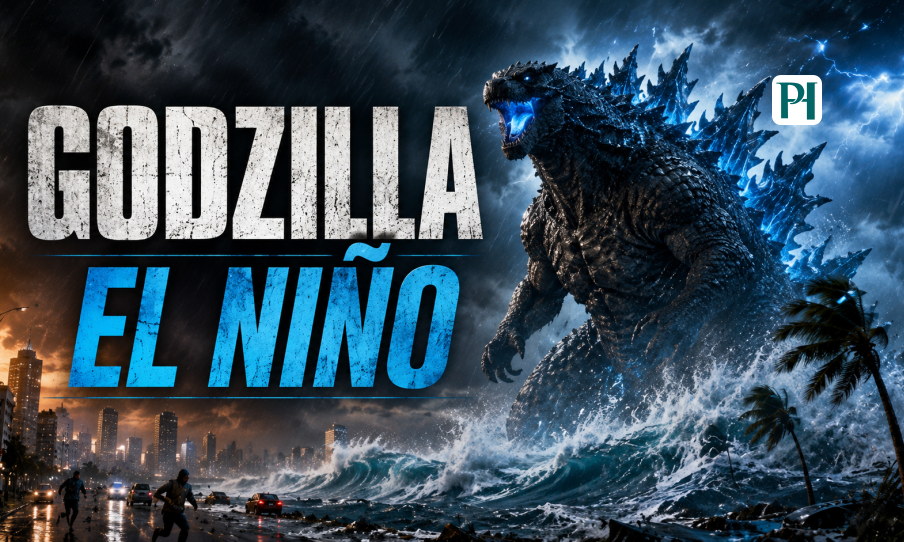
Seasons shape empires. Every so often, a quiet shift turns violent. Scientists watch closely now. A giant stirs beneath the Pacific waves. They call it godzilla el niño – not because it roars, but because it swells beyond normal measure. That name came from chaos seen back in 2015. It was then people realized how deep such forces run. Not myth, just atmosphere gone wild. One massive pocket of warm water can twist skies worldwide. Harvests tremble under its shadow. Roads crack. Cities strain. History bends when oceans breathe differently under godzilla el niño patterns.
Anatomy of a Climate Monster
Warm waters usually move westward when equatorial breezes hold their course. These persistent currents pile heat near Indonesia while upwelling brings cold, life-supporting seas to Peru’s shoreline instead. Picture an invisible loop connecting air and ocean – this pattern carries the name Walker Circulation. A super El Niño twists that rhythm into something far more intense, often associated with godzilla el niño behavior.
Warm waters usually held west begin moving east if trade winds slow down. When ocean temperatures climb over two degrees beyond normal levels near the equator, something stronger takes shape. Not every shift turns extreme, but some cross a line without warning. A typical pattern might barely stir things up. Only under rare pressure does the system push into uncharted heat like a full-scale godzilla el niño event.
Out of nowhere, the ocean’s wild temperature swing throws off the air currents that move around the planet. A rapid pileup of scorching warmth starts working like a giant heater, pushing record levels of steam and power high into the atmosphere. As this overheated sea blends with the steady climb in temperatures caused by people burning fuels, the old rules for how seasons behave start falling apart during godzilla el niño years.
Global Weather Patterns Turned Upside Down
The consequences of a super El Niño are felt worldwide, manifesting as a stark dichotomy of extreme droughts in some regions and torrential downpours in others. Historically, these supercharged events have triggered immense atmospheric rivers along the West Coast of North America. Coastal regions face heightened sea levels due to the expansion of warm ocean waters, leading to severe beach erosion, coastal flooding, and massive ocean swells that reshape coastlines during godzilla el niño cycles.
Conversely, the story is entirely different across the western Pacific. For nations throughout Southeast Asia, a Godzilla event translates to severe heatwaves and prolonged dry seasons. The lack of rainfall dries out peatlands and dense tropical forests, creating prime conditions for devastating forest fires. These blazes often result in a choking regional haze that impacts public health, reduces air quality, and disrupts daily life for millions of citizens affected by godzilla el niño conditions.
Marine ecosystems bear some of the heaviest scars. The persistent marine heatwaves associated with super El Niños trigger widespread coral bleaching. When ocean temperatures remain elevated for months, corals expel the microscopic algae that provide them with energy and vibrant color. If the heat does not subside, entire reef networks suffer massive mortality events, destroying critical habitats that support global marine biodiversity and local fishing industries tied closely to godzilla el niño changes.
The Looming Crisis for Food and Health
Beyond the immediate meteorological chaos, the true toll of a super El Niño is measured in its human impact, specifically regarding national food security and public health. Agriculture is exceptionally vulnerable to these rapid environmental shifts. In major agricultural regions, the sudden evaporation of reliable seasonal rains threatens staple crops like rice and corn, which depend on steady water supplies during their early growth phases. Prolonged droughts lead to lower harvest yields, driving up commodity prices and straining global supply chains under repeated godzilla el niño disruptions.
The cascading effects of crop failures hit vulnerable populations the hardest. Public health experts warn that severe droughts and subsequent food shortages can lead to spike in malnutrition and stunting among children in developing tropical nations. When agricultural output drops, families face decreased income at the exact moment food costs skyrocket.
Furthermore, the disruption of water systems creates a multi-layered health crisis. While droughts limit access to clean drinking water and increase the risk of waterborne illnesses, areas hit by unseasonable flooding face a rise in vector-borne diseases. The sudden pools of standing water left behind by atmospheric storms create ideal breeding grounds for mosquitoes, complicating disease management efforts for rural healthcare networks already stressed by godzilla el niño extremes.
Adapting to a Supercharged Future
Living in an era where super climate events are increasingly likely requires a fundamental shift from reactive emergency management to proactive climate adaptation. Modern meteorology relies on sophisticated satellite arrays and ocean buoys to track temperature anomalies in real time. However, providing early warnings is only half the battle; ensuring that these alerts reach small-scale farmers and local communities at the village level is where resilience is truly built.
Infrastructure must also evolve to withstand these intensified cycles. Agricultural sectors are increasingly adopting water-saving innovations, such as drip irrigation and large-scale water pumping systems, to maximize every drop of available moisture during dry spells. Simultaneously, agricultural research institutions are focusing on developing and distributing crop varieties engineered to withstand extreme heat and prolonged dry periods caused by godzilla el niño patterns.