
How Transforming Your Cooking Space with Zero Waste Kitchen Products Saves Money 
Trash piles up fast in today’s homes, usually starting where meals come together. Not after dinner, but right there at the sink and counter, habits take shape – plastic sheets pulled tight, bottles bought week after week. Change sneaks in quietly now, not through loud campaigns, yet from small choices made each morning. People begin noticing how swapping one item leads to another, then another. Containers get reused, wraps last longer, spills still happen – but less harm follows. What feels like habit turns out to be power. Out of step with old routines, it shifts how we connect with what we buy. Built to last, those picks quietly defy a wasteful pattern – draining wallets while piling up indestructible trash in nearby dumps – through steady, mindful refusal.
Start walking this path without tossing all your plastic stuff right now just to buy trendy new things. What matters most comes from using what you already have, even if it lives deep in your cupboard shelves. When something finally breaks or runs out, that moment opens space – fill it with well-made zero waste tools instead. Slow shifts like this fit real life better than big dramatic swaps ever could. Little by little, each swap stacks up, quietly slashing how much trash flows through your door month after month. A kitchen rebuilt choice by choice becomes proof that lasting change grows best when given time.
Shifting Away From the Disposable Mindset
The primary financial and environmental drain in most modern homes comes from paper towels, paper napkins, and flimsy plastic storage bags. Think about how quickly a single roll of standard paper towels vanishes during a busy week of family meal preparation and countertop cleanup. Replacing these recurring, costly purchases with durable cloth alternatives is one of the easiest ways to utilize zero waste kitchen products effectively in your daily life. Heavy-duty unpaper towels made from organic cotton, linen, or upcycled household textiles can handle tough spills, be tossed directly into the washing machine, and serve your home faithfully for years.
Similarly, single-use plastic sandwich bags can be entirely phased out in favor of sturdy, food-grade silicone pouches that withstand both freezing temperatures and boiling water. When you commit to zero waste kitchen products like these, you permanently stop paying for items that are manufactured solely to be thrown away after twenty minutes of convenience. The upfront cost of a reusable silicone pouch might seem higher than a box of cheap plastic bags, but the long-term compounding savings become channels of relief for your household budget within just a few months of continuous reuse.
Redefining Food Storage and Preservation
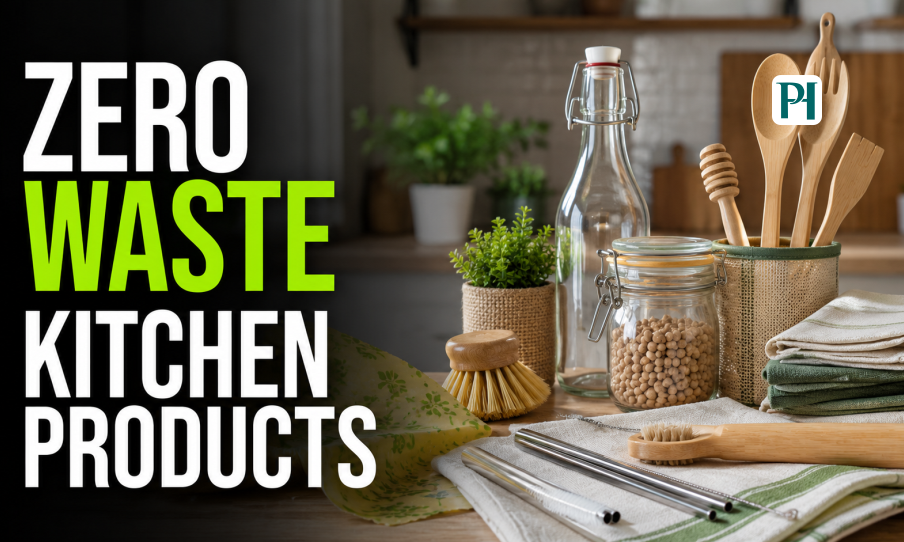
Food spoilage is another massive contributor to household waste, but the way we store our groceries can dramatically extend their natural lifespan. Traditional plastic wrap suffocates fresh produce and traps excess moisture that accelerates rot and mold growth. Switching to compostable food-cover options like reusable beeswax wraps represents a major victory for anyone actively investing in zero waste kitchen products. Made from organic cotton sheets coated with natural beeswax, tree resin, and jojoba oil, these wraps breathe slightly, keeping cheese, bread, and cut vegetables fresh for much longer periods.
Another classic staple for preservation is the humble glass mason jar, which functions beautifully alongside modern zero waste kitchen products to create an organized pantry. Glass is infinitely recyclable, incredibly easy to clean, and does not leach harmful chemical compounds into your food, making it absolutely ideal for storing dry goods purchased from bulk sections. When you bring your own cloth bags to the market and transfer grains, nuts, beans, and spices into glass jars at home, you completely bypass the excessive plastic packaging that dominates modern grocery store shelves.
Cleaning Routines That Protect the Planet
The kitchen sink area is often filled with synthetic sponges that slowly shed thousands of microplastics down the drain and liquid detergents packaged in bulky plastic jugs. Shifting this specific zone toward true sustainability involves swapping out these hidden polluters for plant-based zero waste kitchen products that biodegrade naturally. Natural loofah scrubbers, which are derived entirely from dried tropical gourds, provide excellent abrasive power for scrubbing pots and pans without scratching delicate surfaces, and they can be completely tossed into your backyard compost bin at the end of their functional lifecycle.
Pairing these natural scrubbers with a solid dishwashing soap block replaces the need for synthetic liquid soap entirely. These concentrated soap blocks cut through tough grease effortlessly, last significantly longer than their liquid counterparts, and eliminate plastic bottles from your monthly shopping list. Choosing these types of intentional zero waste kitchen products turns a mundane household chore into a clean, zero-plastic ritual that respects our global water systems and reduces chemical runoff.
Long Term Investments for Sustainable Cooking
Ultimately, building a sustainable cooking environment is about prioritizing materials that endure for generations rather than months. Investing in heirloom-quality cookware like cast iron skillets, carbon steel pans, or tri-ply stainless steel pots means you will never need to buy cheap, toxic non-stick pans that peel and fail every couple of years. When you surround yourself with the right zero waste kitchen products, you are building a resilient household system that saves energy, protects human health, and honors the natural resources of our planet. Embracing this lifestyle is a highly rewarding transformation that proves conscious living can be both exceptionally practical and deeply satisfying for the modern home.
Read Also: Comprehensive Guide to Securing Long Term Employment in Modern Healthcare Systems