
What Is Dementia and What Causes It? A Clear Guide
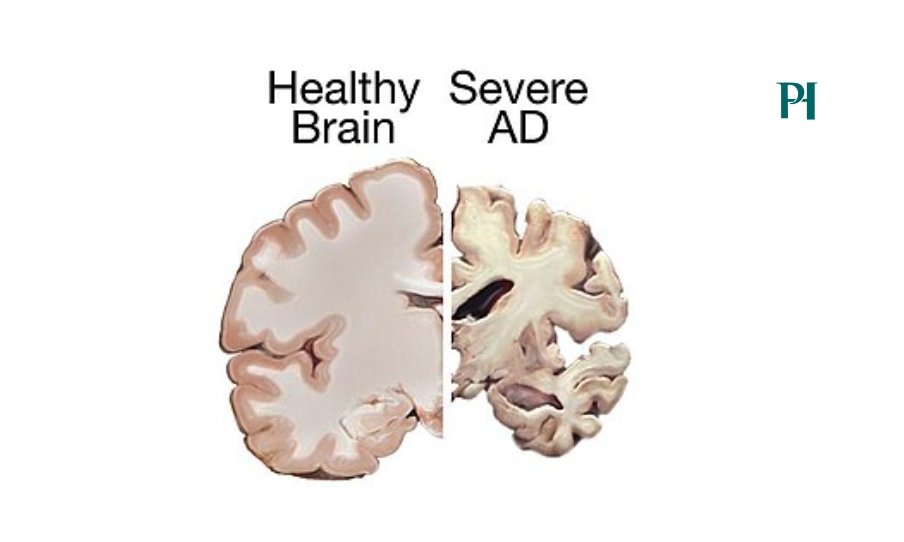
Somewhere in the world, a new case of dementia is diagnosed roughly every three seconds. Yet many people still can’t say what dementia actually is, because it isn’t a single disease.
Dementia is an umbrella term for conditions that damage memory, thinking, language and judgment enough to disrupt daily life. So what is dementia and what causes it? In most cases, diseases that slowly destroy nerve cells are responsible, and Alzheimer’s disease is the most common. The World Health Organisation estimated that more than 57 million people were living with the condition in 2021. This guide covers the symptoms, the main types, the causes, the look-alike conditions that can be treated, and what to do if you are worried.
How Dementia Differs From Normal Ageing
Forgetting where you left your keys, or blanking on a neighbour’s name until later, is a normal part of getting older. Dementia is different because the changes persist, get worse over time and interfere with independence. A person might no longer follow a recipe they have cooked for decades, or might get lost on a street they have walked for years.
It also affects more than memory. Language, planning, attention and behaviour can all change. And it is not an inevitable part of aging: most older people never develop it.
Common Dementia Symptoms to Watch For
These signs often build slowly, so families tend to notice them in hindsight:
- Forgetting recent conversations or events while remembering distant ones
- Trouble planning, following steps or handling money
- Struggling to find the right word
- Confusion about the date, season or location
- Poor judgment, such as unusual spending or ignoring hygiene
- Mood changes, anxiety or withdrawal from friends and hobbies
Symptoms vary by type. Someone with frontotemporal disease may show personality changes or language trouble before any memory problem, and those cases often begin before age 65. If changes last more than a few weeks or start getting in the way of daily tasks, book a medical assessment.
Types of Dementia and How They Differ
Doctors recognise several types of dementia, and the type shapes both the symptoms and the treatment.
- Alzheimer’s disease accounts for an estimated 60 to 70 per cent of cases, according to the WHO. German psychiatrist Alois Alzheimer described it in 1906 after studying Auguste Deter, a 51-year-old patient who had lost her memory and developed paranoia. After she died, he found the plaques and tangles that still define the disease.
- Vascular dementia follows strokes or damage to small blood vessels in the brain. Decline can come in steps rather than a smooth slope.
- Lewy body dementia involves clumps of a protein called alpha-synuclein. It often brings fluctuating alertness, vivid visual hallucinations and acting out dreams during sleep. Robin Williams’ autopsy showed diffuse Lewy body disease, as his widow later wrote.
- Frontotemporal dementia affects the frontal and temporal lobes, which control behaviour and language. Bruce Willis’s family announced this diagnosis in 2023.
- Mixed dementia, usually Alzheimer’s combined with vascular changes, is common in the very old.
What Causes Dementia in the Brain?
Most causes involve abnormal proteins or a damaged blood supply. In Alzheimer’s, amyloid plaques and tau tangles build up and kill nerve cells, a process that can begin 15 to 20 years before the first symptom. Vascular cases come from reduced blood flow. In Lewy body disease, alpha-synuclein clumps disrupt brain cells, and in frontotemporal disease the frontal and temporal lobes shrink.
Genes play a role, but usually a modest one. The APOE e4 variant raises Alzheimer’s risk without guaranteeing the disease. Rare inherited mutations in the APP, PSEN1 and PSEN2 genes cause early-onset familial Alzheimer’s, sometimes in a person’s 40s or 50s. Some frontotemporal cases are inherited too.
Dementia Risk Factors You Can Change
A 2024 report from the Lancet Commission identified 14 modifiable risk factors and estimated that addressing them could prevent or delay up to 45 per cent of cases worldwide. They include untreated hearing loss, high LDL cholesterol, high blood pressure, diabetes, smoking, heavy drinking, obesity, physical inactivity, depression, social isolation, head injury, air pollution, untreated vision loss and limited education. Hearing loss and high LDL cholesterol were among the factors with the largest estimated shares.
None of this guarantees protection. Still, checking blood pressure, wearing hearing aids when prescribed and staying physically active are practical steps.
Conditions That Mimic Dementia but Can Be Treated
Not every case of confusion or memory loss is dementia. Vitamin B12 deficiency, an underactive thyroid, depression, sleep apnoea, medication side effects and infections such as urinary tract infections can all cloud thinking, especially in older adults. Normal pressure hydrocephalus, a build-up of fluid in the brain, causes walking problems, bladder control issues and slowed thinking, and a shunt can sometimes help. A proper assessment looks for these first.
How Dementia Is Diagnosed and Treated
Because dementia symptoms overlap with other conditions, diagnosis takes several steps. A doctor takes a history, often with input from a family member, and uses short cognitive tests such as the MoCA or MMSE. Blood tests and a brain MRI or CT scan help rule out other causes. Specialists may add PET scans, spinal fluid tests or blood biomarkers to confirm Alzheimer’s.
There is no cure for most types. Drugs such as donepezil can ease symptoms for some people with Alzheimer’s.They carry risks, including brain swelling and bleeding, and patients must be tested for eligibility. Beyond drugs, steady routines, treating hearing and vision problems, exercise and caregiver support make a real difference.
Conclusion
Dementia is not one disease with one cause, and that is the most useful thing to know before speaking to a doctor. The type affects the symptoms, the outlook and the treatment, and a few causes are reversible. If you suspect dementia in yourself or a relative, book an assessment rather than waiting. Early diagnosis opens the door to treatment, legal and financial planning, and support. Bring a list of the changes you have noticed and every medicine being taken.