
Bird Flu (Avian Influenza): Symptoms in Humans
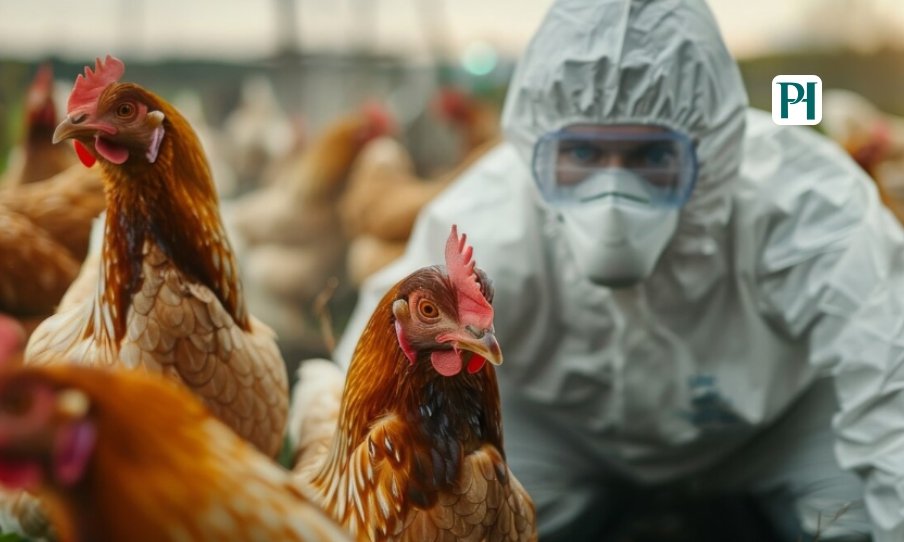
Most people will never come face to face with bird flu (avian influenza). Yet since 2024, roughly 70 people in the United States have caught it, and nearly all of them have worked around infected cows or poultry.
So what does it look like when a person gets sick? In many recent US cases, the first sign was a red, irritated eye, sometimes followed by fever, cough, or a sore throat. Severe illness is uncommon but possible, and the CDC still rates the risk to the general public as low. This guide covers the symptoms to watch for, how the virus reaches people, who needs extra care, and what to do after a possible exposure. Case figures come from CDC reporting as of early 2026.
What Are the Common Symptoms of Bird Flu in Humans?
The CDC describes a wide range of reactions. Mild cases can feel like an ordinary flu or a heavy cold: a fever of 100°F or higher (or feeling feverish), cough, sore throat, runny or stuffy nose, muscle aches, headache, and tiredness. Fever is not guaranteed, so its absence doesn’t rule anything out.
Eye symptoms deserve special attention. Redness or irritation of the eye, known as conjunctivitis, was the most frequently reported symptom in recent US cases, and it sometimes appeared with no other complaint. Diarrhea, nausea, vomiting, and seizures are less common. Some people who tested positive reported no symptoms at all.
Symptoms alone cannot confirm an infection, since they overlap with seasonal flu and other respiratory illnesses. Only a lab test can tell them apart. Illness usually lasts a few days to under two weeks.
The virus gets in through the eyes, nose, or mouth. Investigators believe milk splashes explain many of the pink eye cases among dairy workers, and the CDC has reported high virus levels in raw milk from infected cows. No person-to-person spread has been detected in the US. Properly cooked poultry and eggs are not a concern, because an internal temperature of 165°F kills the virus.
How Worried Should You Be? What the Latest Data Shows?
The CDC’s assessment has not changed: the immediate risk to the public is low. Since July 2025, human surveillance data appears monthly in the agency’s FluView report, while animal data sits with the USDA. Outside the US, the CDC counted twelve human H5N1 infections in Bangladesh, Cambodia and India between August 2025 and June 2026. Three were fatal, and none showed spread between people.
Older global numbers look grimmer. The World Health Organization has recorded close to a thousand human H5N1 cases since 2003, with roughly half ending in death. That gap probably reflects who gets tested. Earlier cases were usually found in hospitals, whereas US monitoring of exposed workers also catches mild infections.
What would change the picture is a virus that spreads easily between people. Scientists therefore watch for mutations such as PB2 E627K, which help flu viruses multiply in mammals. So far, the CDC has found no sign of antiviral resistance. Because bird flu in humans is tracked case by case, these numbers can shift. Check the CDC’s current situation summary before relying on any figure.
Who Is at Higher Risk, and How to Protect Yourself
People who work with animals face most of the exposure: dairy and poultry workers, cullers, veterinarians, backyard flock owners, and hunters who handle wild birds. The CDC’s advice is practical:
- Wear gloves, eye protection, and a fitted respirator when handling sick or dead animals.
- Keep away from sick or dead wild birds and report them to local authorities.
- Avoid raw milk and products made from it.
- Cook poultry and eggs to 165°F, and keep raw poultry away from cooked food.
- Wash your hands thoroughly after any animal contact.
A seasonal flu shot will not protect you from bird flu. It can still lower the chance of catching human flu at the same time, which matters because a double infection could let the two viruses swap genes.
What to Do If You May Have Been Exposed
Call your state or local health department instead of walking into a clinic unannounced, and explain which animals you handled and when. Testing usually involves nasal swabs, plus an eye swab if your eyes are affected. Antiviral medication such as oseltamivir works best when started early. The CDC advises watching for symptoms for 10 days after the last exposure.
If bird flu symptoms appear, stay home and away from other people until you’ve been advised otherwise. Even mild illness is worth reporting, because early cases are how health officials catch changes in the virus.
Conclusion
Bird flu is still mainly a disease of animals, and human cases remain scattered and mostly mild. Still, the Louisiana death and the critical illness in a teenager show why nobody treats it lightly. If you work with animals, protect your eyes and airways, skip raw milk, and report any illness after contact quickly. For everyone else, the most useful habit is checking the CDC and WHO for current numbers instead of relying on headlines.