
Climate Shift Impacts Markets: As Dangerous Heat Becomes Routine in Europe, Financial Markets Shift Focus Toward Regional Climate Risks
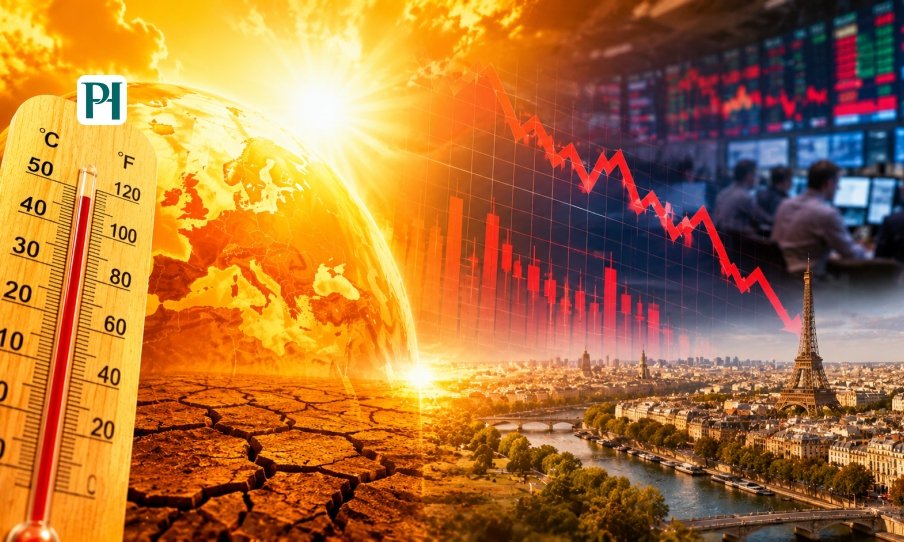
Severe heatwaves push temperatures past 40 degrees Celsius across Europe, forcing several countries to issue rare red weather alerts. The U.K. Met Office warns that exceptional hot and humid conditions carry severe health risks for the general population. Authorities in France, Spain, Italy, Germany, and Switzerland issued similar emergency warnings as extreme heat disrupts daily routines, forces school closures, and causes tragic fatalities. Old infrastructure, limited air conditioning, and poor acclimatization leave European populations poorly equipped to handle these scorching summers, which scientists now view as a permanent reality.
This dramatic shift forces global investors to rethink their portfolios to capture emerging structural growth opportunities. Funds like Ninety One’s Global Sustainable Equity strategy actively target companies that build societal resilience. Portfolio manager Stephanie Niven highlights the insurance sector, specifically noting holdings like Aon and Intact Financial. These firms rapidly integrate advanced climate modeling into their risk systems to manage potential massive loss events driven by unpredictable weather patterns like El Niño. The fund also backs physical adaptation companies like Trane Technologies, which manufactures advanced cooling and refrigeration systems.
Morningstar equity strategist Michael Field points out that industrial firms like Johnson Controls and Siemens stand to benefit heavily due to their commercial heat pump manufacturing, as these devices double as vital cooling units during intense summer peaks. Furthermore, the urgent transition toward clean energy benefits utility giants like Iberdrola and Vestas, who hold strong exposure to wind power.
The heatwave strains Europe’s aging electrical infrastructure, forcing spot power prices higher as cooling demand surges. Increased water temperatures even forced French nuclear plants to slash output by 7% due to limited cooling water access. Morningstar research director Matthew Donen explains that this grid pressure accelerates the need for modernization, benefiting companies like ABB and Schneider Electric through the sale of essential switchgear and grid automation equipment. UBS strategists agree that these severe disruptions add powerful momentum to global decarbonization, electrification, and climate adaptation investments.