
Health Officials Warn That Dropping American Humanitarian Funding Slows Down Ebola Epidemic Isolation Procedures
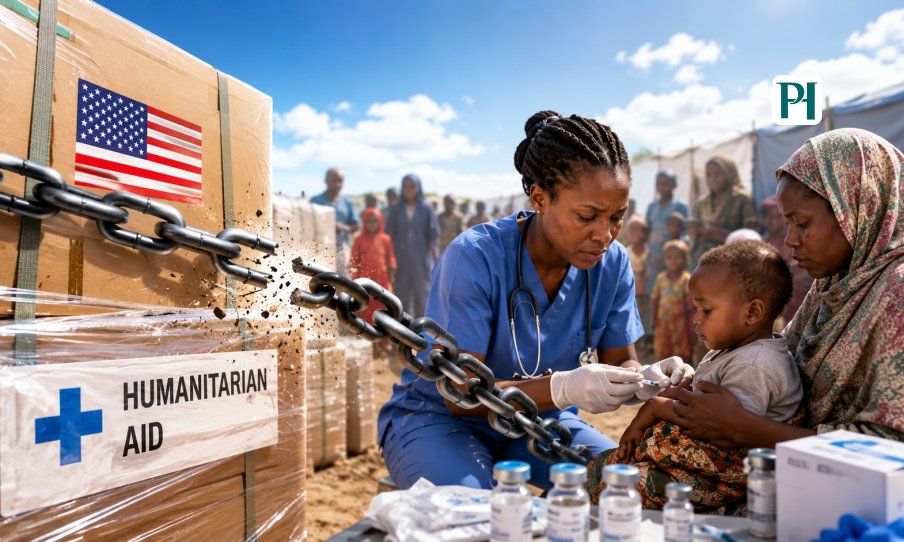
International health organizations report a critical slowdown in disease containment efforts across Central Africa following the sudden termination of major Western foreign assistance programs. The recent closure of the United States Agency for International Development drastically reduced the number of active medical personnel operating in high-risk zones. Without direct operational funding from Washington, local ministries of health struggle to maintain the field clinics and regional testing facilities necessary to identify new infections. This sudden drop in institutional support leaves medical teams under-equipped as they confront a highly dangerous variant of the virus.
Epidemiologists express deep concern that the lack of resources actively hinders contact tracing, which serves as the most effective method to disrupt community transmission. When frontline workers lack consistent logistical backing, they cannot monitor individuals who interacted with infected patients. Consequently, many suspected cases remain unverified within remote communities, allowing the virus to travel quietly across provincial lines. The current deficit in specialized protective equipment and isolation tents further complicates safe patient transport, increasing exposure risks for local ambulance crews and rural hospital staff.
Public health experts stress that long-term prevention networks operate much more efficiently than emergency rescue operations launched after an illness spreads widely. The dismantling of permanent monitoring systems created a long delay between the initial local infections and the official international emergency declarations. Neighboring territories now face severe economic strain as they rush to fortify border checkpoints and establish makeshift screening centers using minimal domestic reserves. As regional field directors seek alternative funding streams from private philanthropic organizations and alternative global partnerships, the lack of immediate field capital continues to expose vulnerable populations to escalating transmission rates.