
Microplastics Become Chemically Active in Water, Study Finds
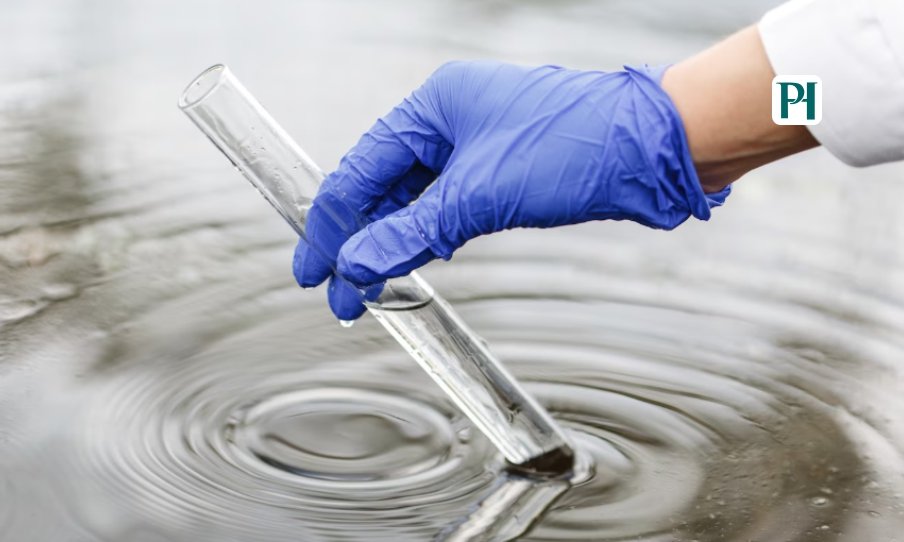 The ability of microplastics to undergo chemical activation in water might shed light on the potential damage that micro-sized plastic particles could pose to living organisms. Researchers from Columbia University and the University of California, Berkeley have reported in Nature on October 14, 2026, that microplastics have the capacity to produce reactive oxygen species (ROS) in water.
The scientists discovered that water actively participates in chemical reactions on microplastic surfaces. At the interface between water and hydrophobic plastic, hydroxide ions can lose electrons more easily, resulting in the formation of hydroxyl radicals, a highly reactive type of oxygen species.
When they are exposed to sunlight, the molecules are able to cause damage to biological molecules. The scientists believe that this mechanism could partly account for some of the adverse effects caused by microplastics, but other tests are required to confirm its importance in a biological setting.
Because of the high water content in our blood and cells, this research has implications for microplastic exposure and human health. Yet, it’s unclear whether and to what degree these responses happen within the body and lead to disease.
The research also extends previous work done at Columbia University. In 2024, scientists calculated that there were, on average, about 240,000 detectable plastic pieces in one litre of bottled water, most of which were tiny nanoplastics. The results underscored how ubiquitous the tiny plastic particles are in consumer goods.
They say their results could assist scientists in creating safer plastics by altering the surface chemistry so they do not produce as many reactions when in contact with water.
More research is also needed to understand exactly how microplastics cause oxidative stress, mainly how they damage cells and tissues when people are exposed to them in the environment.
Microplastics may also be created in our daily activities, from heating plastic in a microwave oven to shining sunlight on bottled water as it sits on a shelf. Scientists will have to investigate how the particles act in our environment, and if their chemical activity might have an effect on health.
For the moment, the study at least indicates the biological risks linked to plastic pollution but is not conclusive proof that microplastics are causing particular diseases.