
Unlocking Your Biological Blueprint Through the Comprehensive Power of Nucleus Genomics 
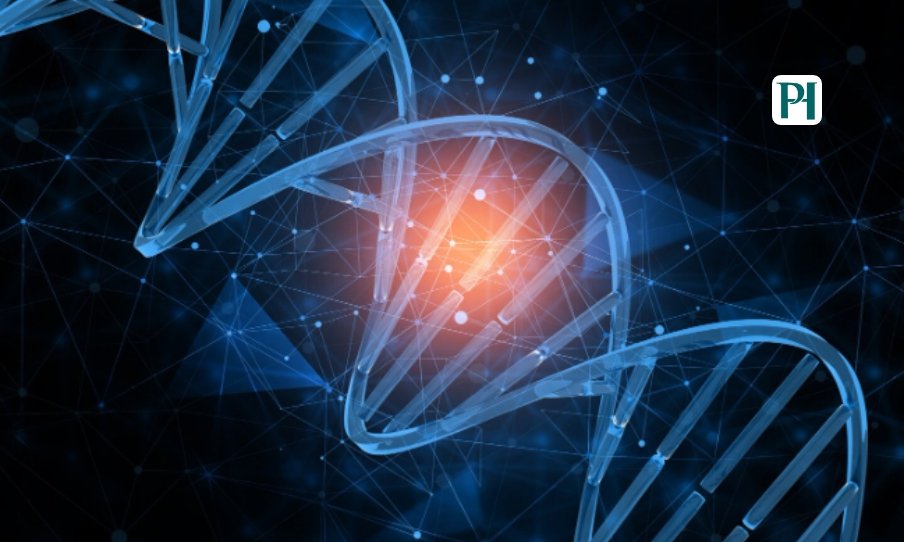
Out front, today’s medical world is moving away from waiting until something goes wrong. Instead of guessing what might work for everyone, doctors now tap into patterns found in personal health details. Hidden inside each person’s cells is a long chain of coded directions – this shapes how bodies respond to treatment. A firm named nucleus genomics pushes hard on that idea, opening doors once locked tight. Rather than handing out shallow results, newer tools scan every piece of inherited code. Where older kits gave fragments, current methods show connections across the full sequence. This means looking at countless gene differences to guess chances of getting familiar problems like heart issues, diabetes, or different kinds of cancer. When people learn about likely risks ahead of time, fate isn’t the only factor anymore – choices around habits and checkups begin shaping what happens next.
The Structure of Whole Genome Sequencing
Understanding what makes nucleus genomics stand out starts with knowing how genotyping differs from whole genome sequencing. While most standard tests check just certain fixed points in your DNA where changes commonly happen, that approach is similar to skimming random lines across a huge library and assuming you know each story. Whole genome sequencing, on the other hand, captures nearly every individual base in your genetic sequence. Because it gathers such detailed data, scientists can then combine influences from many small variants – this forms polygenic risk scores. The full picture comes not from fragments, but from breadth. Most times, a system such as nucleus genomics digs deeper into genetic details than basic tests can. Because it spots uncommon gene changes others skip, results reflect what someone actually carries in their DNA. Accuracy rises when subtle clues aren’t lost along the way. Personalized findings emerge simply by doing a more thorough job.
Integrating Genetics into Daily Wellness
The real magic happens when genetic data moves out of the lab and into the living room. Knowing you have a genetic predisposition for high cholesterol, for example, is only useful if you know what to do about it. The sophisticated interface of nucleus genomics bridges this gap by translating raw biological data into actionable intelligence. This isn’t about deterministic “doom-and-gloom” reporting; it is about risk management. By integrating your genetic profile with other factors like age, BMI, and lifestyle habits, the platform creates a living document of your health. As scientific research advances, your genome can be re-analyzed against new findings without needing a new sample. This means that a subscription to nucleus genomics is essentially an investment in a lifetime of updated medical knowledge, ensuring that as the world learns more about the human body, you learn more about yours.
The Ethical Frontier and Data Privacy
Whenever we discuss the intimate details of our molecular makeup, privacy and ethics must be at the forefront of the conversation. The team behind nucleus genomics recognizes that genetic data is the most personal information a human being can possess. Because of this, robust encryption and strict data sovereignty protocols are essential components of the service. Users must have total control over who sees their information and how it is utilized in research. Beyond privacy, there is the ethical consideration of psychological well-being. Providing high-level genomic insights requires a delicate balance of transparency and support. nucleus genomics aims to provide clarity rather than confusion, often directing users toward genetic counselors or healthcare providers to discuss significant findings. This ensures that the journey into one’s own biology is a guided, safe, and ultimately life-affirming experience.
Transforming Public Health Through Individual Insight
While the immediate benefit of nucleus genomics is to the individual, the collective impact on public health is equally significant. When a large portion of the population understands their genetic risks, the healthcare system can transition from treating chronic illnesses in their late stages to preventing them entirely. Imagine a world where a person knows in their twenties that they have a high polygenic risk for Type 2 diabetes. Through the insights provided by nucleus genomics, they can adopt a specific nutritional plan and exercise regimen decades before any symptoms appear. This proactive stance reduces the burden on hospitals and improves the quality of life for millions. We are moving toward a future where “know thyself” is not just a philosophical mantra, but a biological imperative facilitated by the sophisticated tools of the genomic age.
Looking Toward a Proactive Biological Future
The journey of self-discovery through DNA is just beginning, and the roadmap provided by nucleus genomics is becoming clearer every day. As we move away from the era of guesswork and toward a future of precision, the ability to read our own blueprints will become a standard part of health maintenance. The convergence of cloud computing, advanced bioinformatics, and falling sequencing costs has made this possible for the average person. Engaging with nucleus genomics today is about more than just satisfying curiosity; it is about claiming ownership over your biological future. By embracing the data written in our cells, we can navigate the complexities of aging and wellness with a level of confidence that was once the stuff of science fiction. The code for a healthier life has always been inside us; we finally have the tools to read it.
Read Also: How Healthcare Providers Can Cultivate Lasting Patient Trust Through Empathy and Integrity