
Viral Sequencing Helps Identify Hidden Hepatitis C
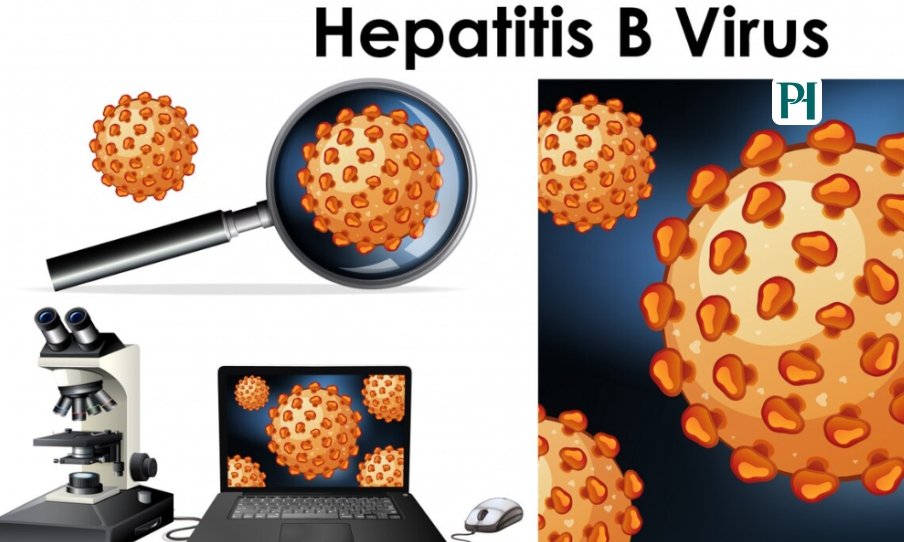
Advanced viral sequencing may help identify infections missed by conventional testing in patients with hepatitis of unknown origin, according to research involving 49 patients at Beijing Ditan Hospital in China. The study detected an early hepatitis C virus (HCV) infection that was initially missed by antibody and RNA tests.
Researchers enrolled 48 adults and one 16-year-old patient between June and December 2024. All had undergone investigations that ruled out recognised causes of hepatitis, including hepatitis A–E, alcohol-related liver disease, drug-induced liver injury, autoimmune hepatitis, metabolic disorders and biliary obstruction.
The team analysed 59 clinical specimens, including 44 plasma and 15 faecal samples. Targeted RNA sequencing screened for 139 viruses, while unbiased metagenomic sequencing examined a broader range of viral genetic material.
Targeted sequencing detected HCV in one plasma sample. The patient had initially tested negative for both HCV antibodies and RNA. Metagenomic sequencing later identified a near-complete HCV genome covering 94.5% of the reference sequence.
The study also found HBV sequences in another patient who had tested negative through conventional methods. Researchers said the finding could represent occult HBV infection, but they could not establish whether HBV caused the patient’s hepatitis.
A goose circovirus-like sequence was detected in one faecal sample. The finding did not establish the virus as a cause of human hepatitis. A low-level influenza A-like signal was also identified in one plasma sample but could not be confirmed through follow-up PCR testing.
The study had several limitations, including its small sample size, lack of a healthy control group and absence of liver biopsy specimens. The findings therefore do not establish new viral causes of hepatitis or support routine metagenomic sequencing for every patient.
Researchers said further controlled studies are needed to determine whether viral sequencing for unexplained hepatitis cases can improve diagnostic accuracy and reduce the number of cases that remain unexplained.