
Vitamin K Deficiency Bleeding in Newborns: What to Know
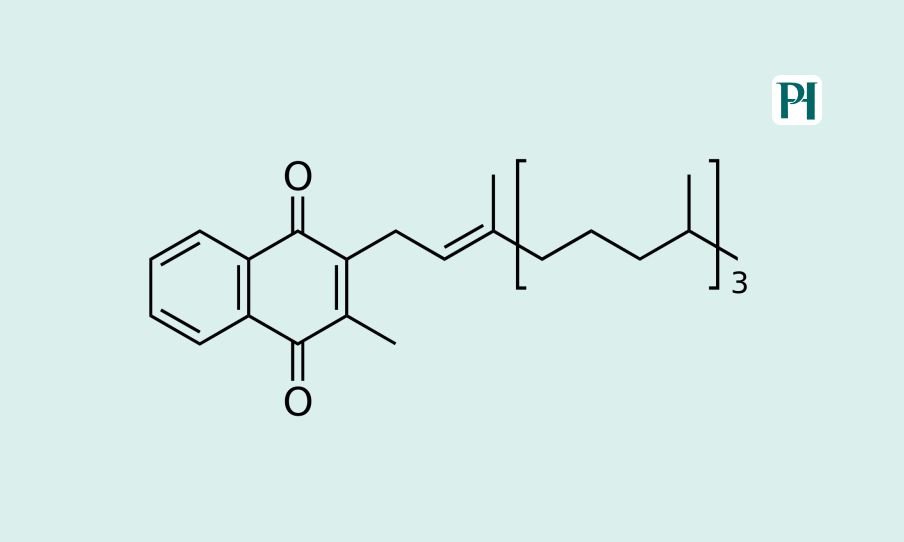
Vitamin K deficiency bleeding can strike a healthy baby without any warning. In the worst cases, the first visible sign is a bleed inside the brain.
So, what is vitamin K deficiency bleeding in newborns? It is a clotting disorder that develops when a baby lacks enough vitamin K to make the proteins that stop bleeding. Babies are born with very low stores, and the problem can surface anywhere from the first day of life to around six months. The encouraging part is that a single injection soon after birth prevents almost all cases. This guide explains why newborns run low, how the types differ, which signs to watch for, and what the research says about the shot.
Why Are Babies Born Low on Vitamin K?
Vitamin K is a fat-soluble vitamin the liver needs to build clotting factors. Adults get it from leafy greens and from bacteria in the gut. Newborns have neither source yet. Very little crosses the placenta, breast milk contains only small amounts, and a baby’s intestine has not yet been colonised by the bacteria that make it.
That makes vitamin K deficiency in newborns a normal starting point, not a sign that something went wrong during pregnancy. Infant formula has vitamin K added, which is one reason serious late bleeding mostly affects exclusively breastfed babies who missed the shot. Those babies stay vulnerable until they start solid foods and their gut begins making its own supply.
Three Types of Vitamin K Deficiency Bleeding
Doctors classify the condition by when it appears, and each type has a different cause.
Early-onset bleeding appears within the first 24 hours. It is uncommon and usually linked to medicines the mother took during pregnancy, such as certain anti-seizure drugs, warfarin, and some tuberculosis medicines, all of which interfere with vitamin K.
Classic bleeding shows up between day two and the end of the first week. Parents may notice bruising, oozing from the umbilical stump, or bleeding in the gut.
Late-onset bleeding is the type clinicians worry about most. It develops between roughly two weeks and six months in babies who look well, and it rarely gives a warning. According to the CDC, about half of infants with late-onset bleeding have a bleed in the brain, which can cause permanent damage. CDC figures also put the death rate at about one in five affected babies.
Vitamin K Deficiency Symptoms Parents Should Not Ignore
Early signs are easy to miss, so it helps to know the full range:
- Bruises that appear without a bump or injury
- Oozing from the umbilical stump or circumcision site
- Nosebleeds, or blood in the stool or vomit
- Pale skin, or jaundice that does not clear
- Unusual sleepiness, irritability, poor feeding, or repeated vomiting
A bulging soft spot, seizures, or a baby who is hard to wake can signal a brain bleed. That is an emergency, so go to the hospital immediately instead of waiting for the next appointment. Because some babies show nothing earlier, the first symptom can also be the most severe one.
Which Babies Face the Highest Risk?
Several situations raise the odds:
- No shot at birth. This is the biggest factor by far.
- Exclusive breastfeeding without prophylaxis, since breast milk is low in the vitamin.
- Birth outside a hospital, where the injection may not be offered or recorded. In a Swedish study, nearly two in three home-born infants from 2018 to 2021 had no documented prophylaxis.
- Liver, bile-duct or gut conditions, such as cystic fibrosis, that limit the absorption of fat-soluble vitamins.
- Maternal medicines that interfere with vitamin K, as noted above.
One more detail matters: the AAP advises doctors to consider vitamin K deficiency bleeding in any unexplained bleeding during the first six months, even if the baby received prophylaxis.
How the Vitamin K Shot Protects a Baby
The vitamin K shot is a single injection into the thigh muscle, given soon after birth. Full-term babies get 1 mg, while preterm babies receive a weight-based dose. Part of the dose works straight away. The rest is stored in the liver and released over the following months, covering the baby until solid foods and gut bacteria take over.
The AAP has recommended the injection for all newborns since 1961, and it is the AAP’s preferred way of preventing vitamin K deficiency bleeding. It is also the main reason vitamin K deficiency in newborns is now seldom seen in the United States. The AAP does not recommend oral vitamin K because absorption is inconsistent, and oral versions generally need several doses.
Myths Behind the Rising Refusal Rate
A JAMA study reported by UPMC found that the share of US newborns who did not receive the shot rose from 2.92% in 2017 to 5.18% in 2024. Parents often cite safety, necessity, or pain. Four claims come up again and again:
- “It’s a vaccine.” It is not. Vitamin K is a naturally occurring nutrient that everyone needs.
- “It causes cancer.” This worry began with a single early-1990s study. Later research found no link, and the AAP says the shot does not cause cancer.
- “Breast milk is enough.” Breast milk is low in vitamin K, so it cannot close the gap alone.
- “My baby is healthy.” Late vitamin K deficiency bleeding hits babies who looked perfectly well until the day it started.
The injection itself is brief, and the risk it removes is far more serious than the pain.
Questions to Ask Before Delivery
A short list helps prevent a missed dose:
- Will the hospital or midwife give the shot, and is it stocked for home births?
- Who records it, and can you get a copy for your pediatrician?
- If you decline, or the shot is missed, what is the plan? Raise it with the pediatrician right away.
- Do any medicines you take affect your baby’s vitamin K? Tell your obstetrician about everything you use.
Conclusion
Vitamin K deficiency bleeding is rare today largely because newborns routinely get a shot soon after birth. Low stores at birth are normal, so the risk comes from biology, not from anything a parent did. Learning the vitamin K deficiency symptoms and keeping every checkup adds a second layer of protection, but nothing replaces prevention. If you have doubts, bring them to your pediatrician before delivery, when there is time to talk them through. This article is general information, not medical advice.