
Canadian Healthcare Strains Highlighted After Man Dies During Long Emergency Wait
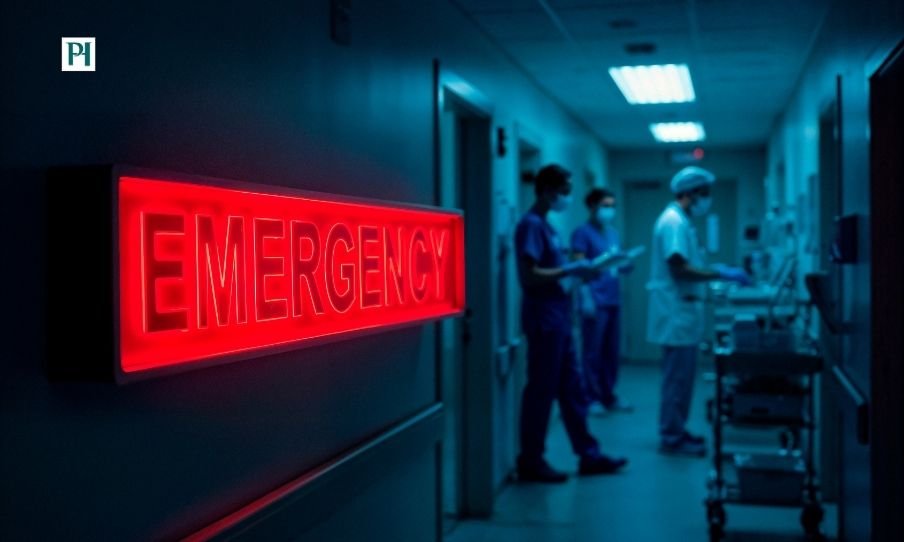
Prashant Sreekumar, a man of Indian descent, aged 44, passed away after spending over eight hours in the emergency department of a hospital in Edmonton, Canada. The incident has raised concerns about the healthcare system in Canada and its increasing problems with access to urgent care and wait times.
Sreekumar was admitted to the Grey Nuns Community Hospital due to severe chest pain. The hospital staff registered him but kept him in a waiting area without giving him any major medical attention. For most of the eight hours, he was given just pain relief medication while he was waiting for treatment. He was eventually called to the treatment area, but he fell down and died from what seems to be cardiac arrest. He is survived by his wife and three children.
The incident has highlighted the long waits in Canadian emergency rooms and raised doubts about the capability of hospitals to deal with urgent cases. A Canadian Medical Association study published recently reported that almost 20% of adults don’t have a family doctor or a nurse practitioner as their regular primary care provider. This shortage is one of the reasons behind the increased use of emergency departments.
The research study revealed that while around 90% of Canadians are technically able to get primary care, only about 37% of them have the ability to book an urgent appointment within a day. Consequently, a lot of patients postpone treatment or visit the emergency rooms for issues that should have been taken care of sooner.
Canada’s Medicare system is a government-funded variant that aims to offer hospital and physician services universally to all. Provinces are in charge of care delivery while adhering to the regulations of the Canada Health Act. Nevertheless, the system only encompasses approximately 70% of the health needs while the remaining 30% which include dental, vision, psychotherapy, and some other specialist services are left to private practice.
Medical professionals indicate that the shortage of personnel, primarily in the area of primary care, is the main cause of the issue and the long wait times. The emergency department caters to patients with varying degrees of needs, ranging from the least severe to the most life-threatening conditions. Hospitals are finding it hard to service the demand without having enough doctors and nurses.
The public response has been considerable, not only in Canada but also globally. Opponents are advocating for larger financial assistance and the implementation of changes to the system in order to make healthcare access easier and also reduce the waiting periods. Moreover, some experts have suggested the need for improvement in the emergency departments in terms of staffing and resource allocation focused on specific areas.
The discussion has spilled over to social media and among the influential, with some criticizing the system for its slowness and not being responsive to the needs of the people.
To conclude, the passing of Prashant Sreekumar not only serves to point out the weaknesses in Canada’s medical services but also exposes the need for urgent care and access to appointments. The professional opinion is that it will not just require more resources but also the entire system will have to change in terms of the manner in which care is delivered.