
Innovation, Accessibility, and Patient-centered Transformation
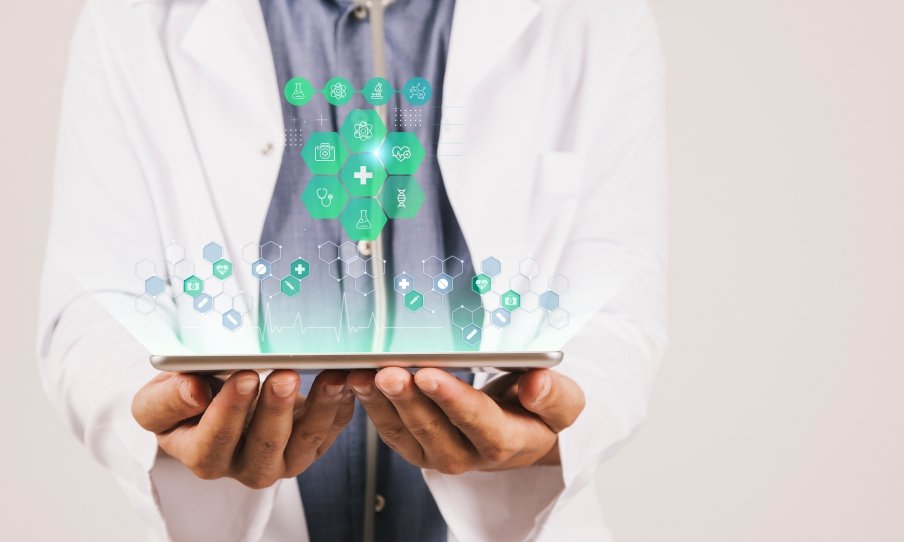
The Future of Healthcare Delivery
The healthcare systems of different countries across the globe are experiencing fundamental changes. The combination of rising patient expectations, an aging population, new technological developments, and mounting cost pressures has compelled healthcare institutions to find new methods for delivering treatment.
The future of healthcare delivery is being shaped by three powerful forces: innovation, accessibility, and a renewed commitment to patient-centered care. The three forces that exist together create a new way for healthcare providers, patients, and technology to interact with each other.
The Shift Toward Patient-Centered Care
Healthcare systems developed during most of modern medical history to operate through institutional frameworks instead of focusing on patient needs. Care delivery systems followed the directives established by hospitals and clinics and their associated healthcare providers.
The current healthcare model now progresses toward patient-centered treatment methods. Patient-centered healthcare functions to meet the unique requirements, personal choices, and life experiences of each patient.
Patients now take an active role in their medical treatment instead of remaining inactive treatment recipients. Effective care delivery now depends on three essential elements, which include shared decision-making, personalized treatment plans, and better communication between healthcare providers and their patients.
The change demonstrates that health outcomes improve when patients receive proper information, empowerment, and treatment with dignity.
Technology as a Catalyst for Transformation
Healthcare delivery experiences its most significant transformations through technological innovation. The combination of digital health platforms with artificial intelligence, wearable devices, and data analytics creates a new approach to accessing and managing medical services.
Through telemedicine, patients can connect with doctors without needing to travel long distances. Doctors use remote monitoring devices to observe patients’ health throughout their entire health status, which helps them discover potential health issues before they develop into serious conditions. Artificial intelligence helps organizations improve their performance through support of diagnostic processes, treatment development, and operational workflow management. The technologies improve healthcare professionals’ work by providing them with tools that deliver faster treatment, better diagnostic accuracy, and customized patient care solutions.
Integrated Care Models
Healthcare delivery has faced problems because of fragmentation throughout its history. Patients need to see various medical personnel at different healthcare locations, yet their treatment needs lack proper management. Integrated care models aim to address this challenge by connecting healthcare providers across disciplines.
The coordinated care networks enable doctors, nurses, pharmacists, therapists, and social workers to work together for patient treatment. The integrated method establishes better care continuity while decreasing duplicate services and producing better patient results since it connects treatment plans from different medical providers.
The Role of Preventive Medicine
Future healthcare delivery is increasingly focused on prevention rather than treatment alone. The majority of worldwide healthcare expenses stem from chronic diseases, which include diabetes, cardiovascular conditions, and respiratory illnesses.
Preventive healthcare strategies establish three main objectives, which include detecting health problems at their initial stage, implementing lifestyle changes, and maintaining health throughout life.
Health education programs, together with regular health screenings and digital health monitoring tools, enable people to control their health risks before dangerous medical conditions arise. Healthcare systems can achieve two benefits from their focus on prevention. The first benefit involves decreased costs, while the second benefit results in enhanced life quality.
Workforce Transformation in Healthcare
The healthcare workforce is undergoing changes. Physicians and nurses are working together with data scientists, health technologists, and care coordinators to create complete service delivery systems. Training programs are adapting to prepare professionals for technology-enabled care environments.
The essential competencies of the workforce now require three specific skills, which include communication skills, interdisciplinary collaboration, and digital literacy. The healthcare teams use this transformation to improve their operational efficiency while delivering excellent patient care.
The Future of Hospitals and Care Delivery
The role of hospitals in healthcare remains essential. The main function of hospitals has changed because they now serve as centers for advanced medical treatment, while basic medical services are being provided through community health services and digital technology.
The hybrid model of healthcare delivery uses both physical medical staff and virtual medical support to create more adaptable and effective treatment methods.
Conclusion
The future of healthcare delivery depends on three essential elements, which include innovation, accessibility, and patient-centered transformation. Medical services now reach more patients through technological advancements, which create integrated care systems that enhance treatment coordination and their new preventive methods that change how people manage their health throughout their lives.
The goal of healthcare systems remains unchanged because they aim to achieve improved patient outcomes through their ongoing development. The healthcare system needs to develop through innovative methods that maintain compassionate healthcare and ethical standards to create operational systems that meet patient needs effectively.