
Why International Women’s Day Is Celebrated History, Meaning, and Global Impact
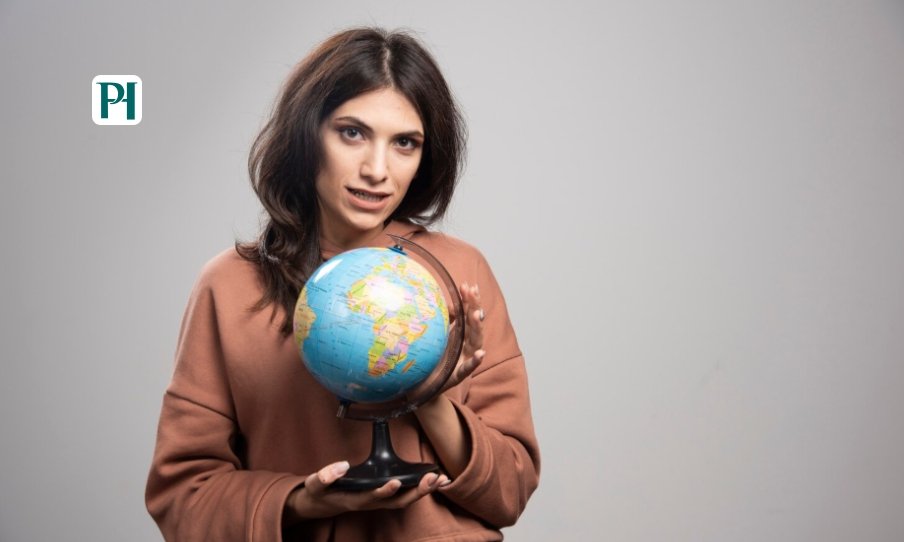
Every year on March 8, millions of people across the world come together to recognize achievements, demand equality, and reflect on progress toward gender justice. Many still ask why International Women’s Day is celebrated and what makes it so significant across cultures and countries. The answer lies in more than a century of activism, resilience, and the collective push for equal rights. It is not just a symbolic observance, but a reminder of the struggles overcome and the work that still remains.
The Historical Roots of International Women’s Day
To understand why International Women’s Day is celebrated, we must look back to the early 20th century. During this time, women across Europe and North America were organizing for better working conditions, voting rights, and equal pay. Industrialization had drawn many women into factories, but their labor rights were limited and wages were significantly lower than men’s.
In 1910, at the International Socialist Women’s Conference in Copenhagen, German activist Clara Zetkin proposed the idea of an annual day dedicated to women’s rights. The proposal was unanimously approved by over 100 women from 17 countries. The first official observance took place in 1911 in countries such as Austria, Denmark, Germany, and Switzerland.
Over time, the movement grew stronger and more global. In 1975, the United Nations officially recognized March 8 as International Women’s Day, giving it worldwide institutional support. Since then, it has become both a celebration and a call to action across continents.
A Celebration of Achievements and Progress
At its core, the observance highlights social, economic, cultural, and political achievements of women. Understanding why International Women’s Day is celebrated also means recognizing the milestones that have reshaped societies. From gaining the right to vote to breaking barriers in science, politics, and business, women have continually expanded opportunities for future generations.
Across industries, women have redefined leadership and innovation. In science and technology, they have contributed groundbreaking discoveries. In politics, they have influenced policy and governance. In business, they have founded companies and led multinational organizations. Cultural icons, educators, and activists have also played pivotal roles in shaping public thought and inspiring change.
Yet the day is not only about high-profile accomplishments. It is also about honoring everyday resilience—the unpaid care work, community leadership, and social contributions that often go unrecognized. This broader recognition explains why International Women’s Day is celebrated beyond formal institutions and resonates deeply at the grassroots level.
Addressing Ongoing Challenges
While progress has been substantial, gender inequality persists in many forms. Wage gaps, underrepresentation in leadership roles, gender-based violence, and limited access to education remain global concerns. The observance serves as a platform to raise awareness about these issues and encourage meaningful action.
This is another important reason why International Women’s Day is celebrated worldwide. It brings attention to systemic barriers that still affect millions of women and girls. Governments, corporations, and nonprofit organizations often use the day to announce new initiatives, publish research, or launch campaigns focused on empowerment and equality.
Educational institutions host discussions and seminars, businesses organize diversity programs, and communities conduct rallies or cultural events. Social media amplifies messages, making it one of the most globally recognized awareness days. Each year typically revolves around a central theme that addresses pressing gender issues, helping unify efforts across countries.
A Global Movement for Equality
International Women’s Day is not limited to one country or culture. It is observed in nations across Europe, Asia, Africa, the Americas, and Oceania. In some countries, it is an official public holiday, while in others it is marked by conferences, awards, and advocacy campaigns.
The global nature of the event explains why International Women’s Day is celebrated so widely. Gender equality is not a regional issue; it is a universal goal linked to sustainable development, economic growth, and social stability. Studies consistently show that empowering women contributes to stronger economies and healthier societies.
Moreover, the day encourages allyship. Men, institutions, and communities are invited to participate in promoting inclusive workplaces and equitable policies. True progress requires collaboration, not isolated efforts. By engaging multiple stakeholders, the movement reinforces that gender equality benefits everyone.
The digital age has further expanded its reach. Online campaigns, virtual events, and global discussions connect individuals across borders. This interconnectedness reflects the broader understanding that equality challenges are shared, and solutions must be collective.
Looking Ahead: Beyond a Single Day
Although March 8 is symbolic, the mission extends far beyond 24 hours. The real impact lies in sustained efforts throughout the year. Organizations that commit to inclusive hiring practices, governments that strengthen protective laws, and individuals who challenge stereotypes all contribute to lasting change.
Reflecting on why International Women’s Day is celebrated ultimately leads to a simple yet powerful truth: it exists to honor progress, demand fairness, and inspire continued action. It reminds us of the courage of those who fought for rights in the past and challenges us to build a more equitable future.
As societies evolve, so does the meaning of the day. It adapts to new challenges while remaining rooted in its historical mission.
Celebrating achievements while confronting inequalities ensures that the movement remains both hopeful and realistic.
International Women’s Day stands as a testament to collective determination. It is a celebration of strength, a reminder of responsibility, and a global call for equality that continues to shape conversations and policies around the world.
Read Also : Enterprise Automation: Choosing the Leading Solution for Modern Business Growth