
Understanding the Types of Wearable Medical Devices Transforming Healthcare 
The medical industry is changing at a very fast rate as technology is being incorporated into normal life. Among other major developments in recent years, there is the emergence of wearable health technology. They are used to monitor heart rates, and they are also assisting patients and healthcare professionals in gaining access to real-time health data, which are used to track chronic conditions. With the increased need of the preventive care and remote monitoring, the question of the various types of wearable medical devices has become more relevant to patients, caregivers, and the healthcare sector in general.
Fitbit is no longer the only wearable health technology available. There are modern innovations that now aid in the clinical-grade monitoring, early detection of the disease, and long-term management of health. The devices are meant to be comfortable, portable and have the capability of gathering continuous health information without interfering with the daily routines.
Fitness and Wellness Tracking gadgets.
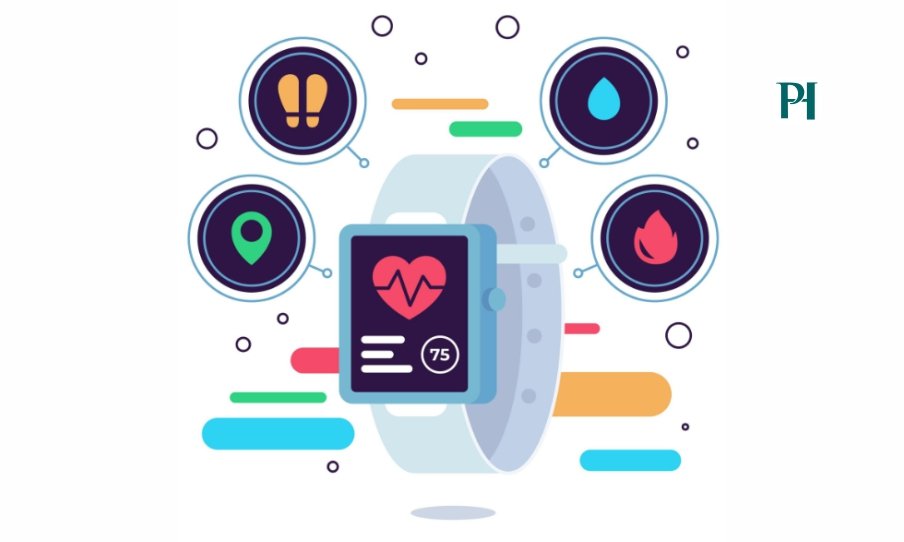
Fitness and wellness-oriented types of wearable medical devices are among the most popular categories of such gadgets. These gadgets normally strap around the wrist and are used to measure physical exercise, heart rate, calories burnt, and sleep habits. They facilitate people to exercise more and adopt improved lifestyle habits as they inform people on a daily basis on their physical status.
Several of these devices also have the option of blood oxygen monitoring, stress tracking and breathing exercises. Although often considered to be linked to fitness enthusiasts, they are also significant in preventive healthcare. Monitoring vital indicators constantly will allow users to identify the anomalies in their activity rates or heart rates which can indicate some underlying health problems.
Healthcare professionals increasingly recommend these tools for patients who need to monitor lifestyle-related conditions such as obesity, hypertension, and cardiovascular risks. As technology advances, the line between consumer wellness products and clinical monitoring tools continues to blur.
Remote Patient Monitoring Devices
Another critical category among the types of wearable medical devices includes remote patient monitoring systems. These devices are designed specifically for medical supervision and are often used by patients with chronic illnesses. They enable healthcare providers to track vital signs such as heart rate, blood pressure, glucose levels, respiratory rate, and temperature without requiring frequent hospital visits.
Remote monitoring has gained significant traction in recent years due to the increasing focus on telemedicine and home-based care. Patients recovering from surgery or managing long-term conditions like diabetes or heart disease can transmit their health data directly to healthcare professionals through connected platforms.
The ability to collect continuous health information allows doctors to detect changes early and adjust treatment plans quickly. This approach improves patient outcomes, reduces hospital readmissions, and enhances the overall efficiency of healthcare systems.
Diagnostic and Disease Detection Wearables
Advanced diagnostic technology has introduced another group within the types of wearable medical devices: devices designed for early disease detection and medical diagnostics. These wearables often use sensors and artificial intelligence to identify abnormal physiological patterns that may indicate medical conditions.
Examples include wearable electrocardiogram monitors that detect irregular heart rhythms, patches that track respiratory function, and biosensors that monitor neurological signals. Some devices are capable of identifying warning signs of conditions such as arrhythmia, sleep apnea, or even early-stage neurological disorders.
These diagnostic tools are particularly valuable because they capture health data continuously rather than during occasional hospital visits. This continuous monitoring provides a more accurate picture of a patient’s health and enables early intervention when abnormalities appear.
As sensor technology improves, these devices are expected to become even more precise, enabling faster diagnosis and personalized treatment approaches.
Therapeutic and Rehabilitation Wearables
The final category within the types of wearable medical devices focuses on treatment and rehabilitation. Unlike monitoring devices that primarily collect data, therapeutic wearables actively assist in managing or treating medical conditions.
Examples include wearable insulin pumps for diabetes management, neurostimulation devices for pain relief, and smart braces designed to support physical therapy and rehabilitation. These devices help patients maintain treatment routines while continuing with their normal daily activities.
Rehabilitation wearables are particularly useful for patients recovering from injuries, strokes, or orthopedic surgeries. Sensors embedded in these devices track movement patterns and provide feedback that helps patients perform exercises correctly. This ensures more effective recovery and reduces the risk of further injury.
By combining therapy with data tracking, these devices also allow healthcare providers to monitor patient progress remotely and adjust rehabilitation programs when needed.
The Growing Role of Wearable Technology in Healthcare
The increasing variety of types of wearable medical devices highlights how technology is reshaping the healthcare landscape. These devices empower patients to take a more active role in managing their health while providing doctors with valuable data for better decision-making.
As artificial intelligence, sensor accuracy, and connectivity continue to improve, wearable health technology is expected to become even more sophisticated. Future innovations may include advanced biosensors capable of detecting diseases at extremely early stages, smart fabrics that monitor multiple health indicators simultaneously, and AI-powered platforms that analyze health patterns in real time.
Beyond convenience, the real value of these devices lies in their ability to shift healthcare from a reactive model to a proactive one. Continuous monitoring enables early detection of potential issues, which can prevent serious complications and improve long-term health outcomes.
Ultimately, the growing adoption of wearable health technology reflects a broader transformation in healthcare delivery. With the expansion of digital health ecosystems, the types of wearable medical devices will continue to evolve, helping create a more connected, data-driven, and patient-centered healthcare system.