
AI‑Driven Diagnostics Reshape Global Healthcare Systems 
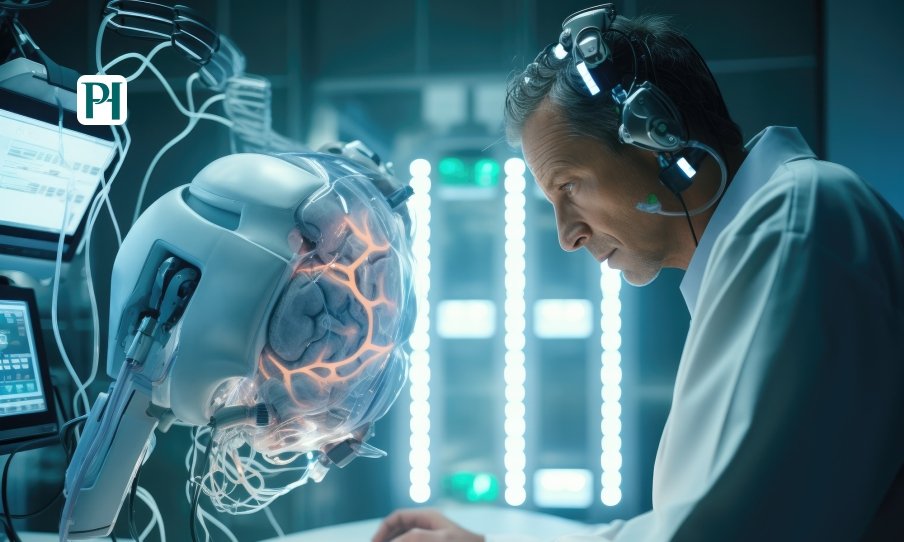
By 2026, machines that think are changing medicine behind the scenes across clinics worldwide – slipping into routines without fanfare. Instead of just speeding up scans, they guide radiologists toward subtle signs hidden in images, nudging attention where it’s needed most. Pathology gets a boost too, with smart tools backing lab experts as patterns emerge from tissue samples. Risk scores now form through learning algorithms, spotting patients who might decline before symptoms scream. Notes inside digital files shrink down on their own, pulled together by software that listens between lines. Warnings pop when medications clash, not because someone clicked but because silence was broken by logic. Follow-ups adjust themselves, shaped by habits, history, even timing quirks unique to each person. Doctors find minutes reappear – not gifted, just reclaimed – from hours once lost to typing. Care shifts, slow and steady, closer to faces instead of screens.
Hospitals now use artificial intelligence to guess staff needs, manage beds better, then automate billing – this trims paperwork costs while steadying income flow in underfunded health networks. Rural areas gain access to expert medical guidance through smartphone screening tools and remote consult systems powered by machine learning, especially where doctors are few. Yet watchdogs respond by enforcing stricter checks on privacy risks, biased outcomes, demanding proof of accuracy, openness, plus real people monitoring automated diagnoses or patient sorting choices.
Out there, medical device companies plus health tech newcomers push artificial intelligence straight into gadgets – think ultrasounds, wearables, spot-check tools – all running smarts locally now. With more proof stacking up that results get better, insurance outfits and public payers start covering visits where AI lends a hand, nudging things past trial mode into everyday hospital life. Right in this shifting scene, doctors good at using smart software while still connecting deeply with patients? They’re quietly becoming what modern healthcare actually looks like.
Read Also: Dr. Namit Choksi Leads India’s Digital Health Revolution in 2026