
AI‑Driven Diagnostic Platforms Scale Up in 2026 
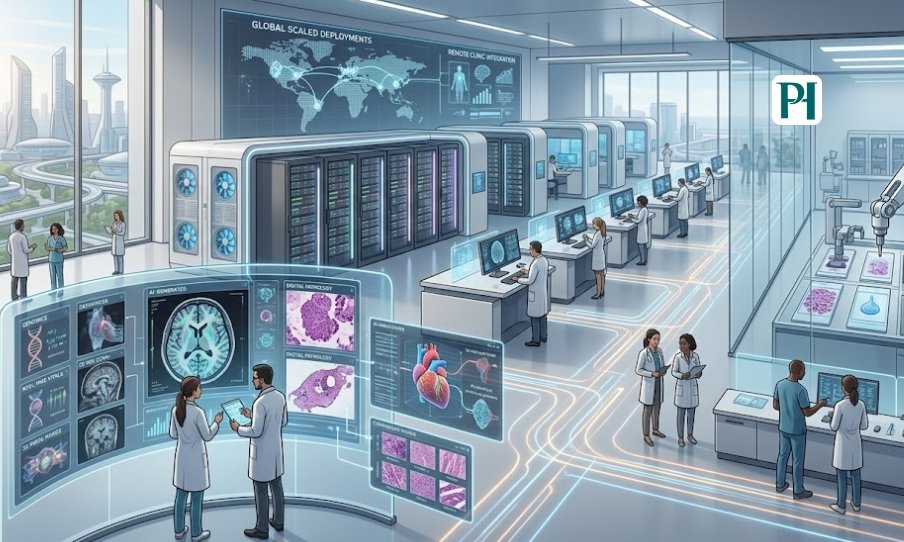
By 2026, hospitals everywhere are using smart software to help doctors understand test results, X-rays, and medical records faster. Instead of waiting days, warnings about possible heart issues, tumors, or brain conditions pop up within minutes – thanks to pattern-spotting programs trained on vast piles of health data. Where there aren’t enough specialists, one radiologist backed by such tech handles workloads that once required teams, clearing backlogs that used to delay care. Because these systems learn from real cases, their accuracy grows quietly over time, fitting into routines without drawing attention.
In 2026, talk often turns to a Europe-developed AI system for medical images – trials showed it spotting lung nodules on low-dose CTs better than people working alone. Cardiology, eye care, and lab medicine now test similar tools, especially where missing patterns can lead to serious outcomes. Still, clear rules matter more now; agencies across the U.S., Europe, and some Asian regions push harder checks so these systems stay open to review, run without hidden flaws, and learn from broad, balanced data pools.
Still, worries linger. Privacy slips happen. Bias hides inside code. Machines get trusted too much. Because of that, hospitals insist people stay involved. A doctor must sign off, even when software raises a flag. By 2026, something shifts. Tools slip into daily rounds. Judgment isn’t swapped out – shaped instead. The line blurs, but humans hold the pen.
Read Also: Dubai‑Based AI Doctor Platform Expands Across Middle East