
The Invisible Revolution and How Microbiome Therapy Is Transforming Modern Healthcare
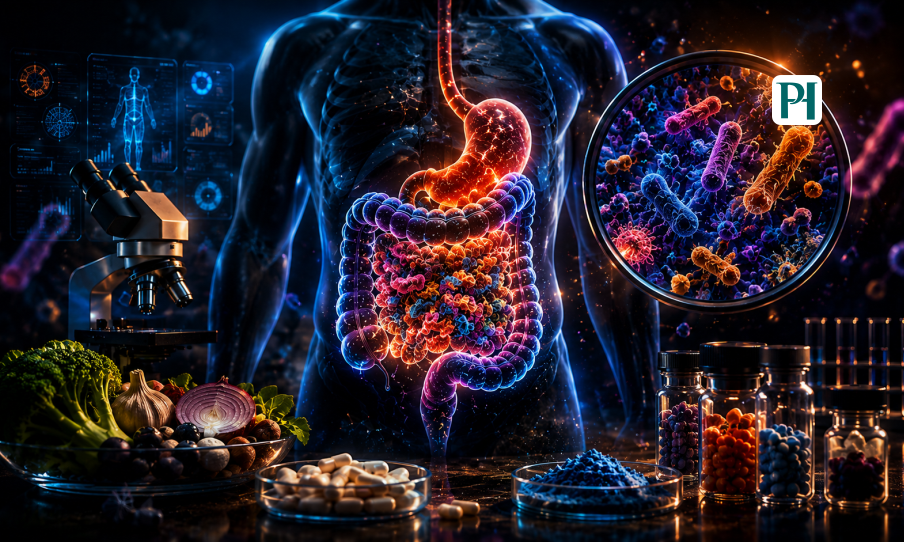
Hidden inside the human gut thrives a vast network of tiny life forms – bacteria, fungi, viruses, and archaea by the trillion. This living web, called the gut microbiota, works like a quiet organ shaping how we digest food even how we feel emotionally. While old medical thinking treated most microbes as enemies wiped out using strong antibiotics today’s science sees it differently. A major change is unfolding: experts now understand health often depends on nurturing helpful bacteria rather than destroying them all. Out of nowhere, a fresh path in medicine started taking shape – fixing tiny life forms inside us to fight illness. Not just hiding signs of sickness anymore, it goes deep, aiming at what keeps our bodies running. By reshaping the unseen world within, health gets rebuilt from below the surface.
Body’s Inner World Explained
Understanding the big promise behind microbiome treatment starts with seeing how deeply the gut shapes everyday bodily processes. Far from just waiting around as meals move through, the microbes inside make key vitamins, tackle tough plant fibers our own bodies cant handle, yet guide immunity to tell friend from foe. Smooth running happens when these tiny residents are rich in variety and steady in harmony. But today’s way of living – stressed minds, poor rest, too much fake-tasting packaged fare – often wipes out helpful bacteria without warning. Out of balance, microbes open doors to swelling inside the body along with long-term shifts in how it processes fuel. Since each person carries a pattern of tiny life forms more distinct than any thumbprint, reading these patterns helps researchers build responses unlike old one-size-fits-all fixes.
The Clinical Applications and Breakthroughs of Bacterial Restoration
The practical application of reshaping our inner ecology has transitioned rapidly from experimental labs into mainstream clinical settings. The most famous and historically successful example of microbiome therapy involves the treatment of recurrent Clostridioides difficile, a severe and life-threatening intestinal infection that often resists standard antibiotics. By introducing healthy, diverse microbial communities into an infected patient, doctors can successfully crowd out the toxic bacteria and restore normal intestinal function almost overnight. Beyond acute infections, emerging clinical trials are demonstrating that targeted microbiome therapy can significantly alleviate the painful symptoms of inflammatory bowel disease, irritable bowel syndrome, and even specific autoimmune disorders. Researchers are carefully mapping out how particular strains of bacteria produce anti-inflammatory molecules that soothe irritated tissue, offering a beacon of hope to millions of individuals who have found little relief through conventional pharmaceuticals.
The Fascinating Connection Between Gut Ecosystems and Mental Wellness
One of the most surprising frontiers in medical science is the exploration of the gut-brain axis, the bidirectional communication highway linking the central nervous system with the gastrointestinal tract. It turns out that your gut microbes are prolific chemical factories, producing a vast majority of the body’s serotonin along with other crucial neurotransmitters like dopamine and gamma-aminobutyric acid. When the gut environment is disrupted, the signaling pathways to the brain become compromised, which can manifest as heightened anxiety, brain fog, or persistent depressive moods. Consequently, psychiatrists and gastroenterologists are collaborating on psychiatric applications of microbiome therapy, using highly specific bacterial formulations to alter brain chemistry and improve mood resilience. This exciting cross-disciplinary work suggests that supporting psychological health may soon depend as much on nurturing our microscopic gut residents as it does on traditional psychological therapies.
Customized Medicine and the Future of Targeted Biological Healing
As technology advances, the one-size-fits-all approach to nutrition and medicine is rapidly becoming obsolete. The future of healthcare points directly toward personalized microbiome therapy, where a simple stool sample can be sequenced to identify exactly which strains of bacteria are missing or overrepresented in a patient’s gut. Armed with this highly specific data, practitioners can prescribe tailored prebiotics to feed beneficial microbes, specific probiotics to reintroduce missing strains, or engineered microbial communities designed to address precise metabolic deficiencies. This evolution in care transforms microbiome therapy from a reactionary treatment into a powerful preventative tool capable of optimizing health before chronic diseases ever take hold. As we continue to unlock the secrets of our microscopic companions, we move closer to a medical paradigm that cooperates with nature rather than trying to overpower it.
Embracing a New Paradigm for Lifelong Health and Vitality
Ultimately, the rise of microbiome therapy represents a profound philosophical shift in how we conceptualize human health and disease management. We are beginning to understand that humans are not isolated entities, but rather complex superorganisms whose vitality is inextricably linked to the microscopic life we carry within us. Protecting this inner world requires a conscious effort to move away from habits that indiscriminately destroy our biological allies. By integrating the principles of microbiome therapy into regular medical care and lifestyle choices, we open the door to a more compassionate, precise, and effective form of healing. Nurturing our microscopic foundation is no longer just an alternative wellness trend; it is the cornerstone of the next great era of medical achievement, promising a future of vibrant, long-lasting health for populations around the globe.
Read Also: Navigating PCOS: A Complete Guide to Understanding and Managing Your Hormonal Health