
Navigating PCOS: A Complete Guide to Understanding and Managing Your Hormonal Health
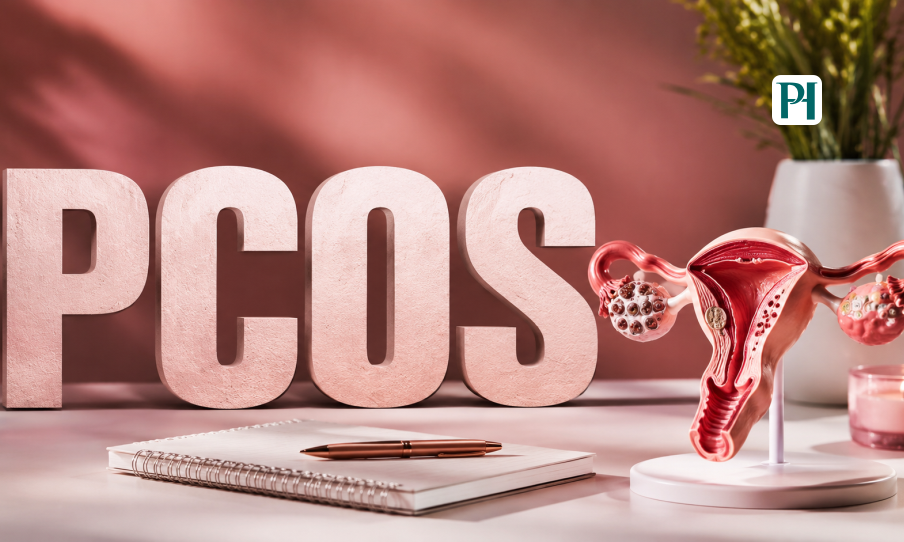
Wandering through reproductive health issues might leave you feeling lost, unsure where to turn next. Polycystic Ovary Syndrome ranks high among misunderstood hormone conditions these days. Whispers around PCOS often mix fear with confusion, fed by frantic online queries late at night. This disorder touches metabolism, moods, and hormones – not only fertility concerns. Understanding its roots helps clarify what happens inside the body when things shift off balance. Spotting early signals matters just as much as long-term habits shaped over time. Tackling it piece by piece opens space for clearer choices ahead. Knowledge becomes steady ground beneath feet once myths fade into background noise.
How Hormones Get Out of Balance
Peering into the body means paying attention to the endocrine system. Hormones shift out of balance with pcos, creating a subtle ripple effect. Normally, ovaries grow follicles during each monthly cycle – just one fully develops and lets go of an egg. Yet in pcos, things unfold differently: excess androgens appear, those being hormones usually linked to males but found in everyone.
A rush of hormones throws off how eggs develop. Rather than growing fully and being released, small sacs collect inside the ovaries, showing up like beads on a scan image. They aren’t true cysts – just egg pockets that never finished forming. When this happens, changes spread across the body, shifting how fuel is used, affecting stamina, sometimes nudging emotions too.
Identifying the Diverse Symptoms and Warning Signs
Because hormones act as the body’s chemical messengers, a shift in their balance can manifest in a wide variety of physical and emotional symptoms. No two individuals experience pcos in the exact same way, which is precisely why diagnosis can sometimes take months or even years. For some, the most prominent sign is irregular, infrequent, or entirely absent menstrual periods, which occurs because ovulation is not happening consistently.
Other individuals might notice physical changes driven by elevated androgen levels. These can include hirsutism, which is excess hair growth on the face, chest, or back, as well as severe adult acne and male-pattern thinning of the hair. Additionally, many people battle stubborn weight gain, particularly around the abdomen, and experience profound, unexplained fatigue. It is important to remember that experiencing one or two of these signs does not automatically mean you have the condition, but they are crucial clues that warrant a conversation with a healthcare professional.
The Crucial Link to Insulin Resistance
Beyond the visible symptoms, there is a silent, foundational piece of the puzzle that links pcos directly to metabolic health: insulin resistance. Insulin is a vital hormone produced by the pancreas that allows your cells to use sugar from the food you eat for energy. When someone experiences insulin resistance, their body cells do not respond effectively to insulin, prompting the pancreas to pump out even more of it to keep blood sugar levels stable.
This excess insulin is a major driving force behind the condition. High levels of insulin signal the ovaries to produce even more androgens, worsening the hormonal imbalance and creating a frustrating, self-reinforcing cycle. Furthermore, insulin resistance makes weight management incredibly difficult and increases the long-term risk of developing type 2 diabetes and cardiovascular issues. Addressing this metabolic root cause is often the most effective way to manage pcos over the long term.
Embracing a Holistic Path to Sustainable Wellness
While there is currently no definitive cure for the condition, managing pcos effectively is entirely possible through a combination of lifestyle adjustments, nutritional shifts, and targeted medical guidance. The goal of management is not perfection, but rather restoring balance to the body and minimizing long-term health risks. Nutrition plays a pivotal role in this process; focusing on a diet rich in whole foods, fiber, lean proteins, and complex carbohydrates can significantly help stabilize blood sugar levels and manage insulin resistance.
Regular physical activity is another incredibly powerful tool. Finding an exercise routine that you genuinely enjoy—whether it is strength training, yoga, brisk walking, or swimming—helps cells absorb glucose more efficiently, naturally lowering insulin levels. Alongside diet and exercise, prioritizing stress management and quality sleep is vital, as chronic stress elevates cortisol, which can further disrupt your hormonal delicate balance. For some, medical interventions such as specific medications or supplements may also be recommended by a doctor to help regulate cycles or manage specific symptoms. With patience, education, and a supportive healthcare team, living a vibrant, healthy life with pcos is well within reach.
Read Also: The Remarkable Cinematic Evolution and Enduring Star Power of Timothee Chalamet