
In US Decongestant False Ad Litigation, “Maximum Strength” Must Contend by Pharmaceutical Companies and Retailers
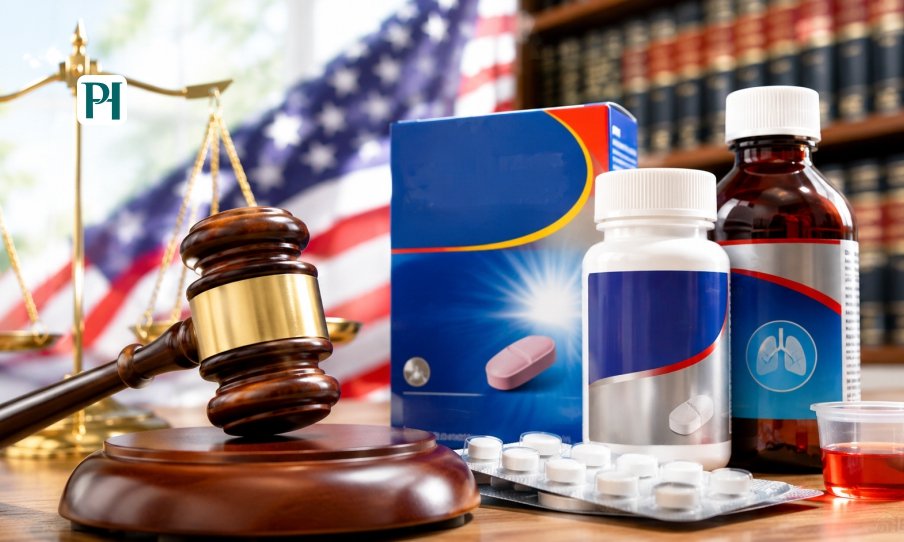 On Thursday, a federal appeals court revived parts of a nationwide lawsuit in which consumers accused pharmaceutical companies like Procter & Gamble (PG.N) and stores like CVS (CVS.N) of marketing billions of dollars’ worth of ineffective over-the-counter decongestants.
A U.S. Food and Drug Administration advisory council concluded in September 2023 that oral phenylephrine, an ingredient in products like Vicks NyQuil Severe Cold & Flu and Advil Sinus Congestion & Pain, was no better than a placebo. This led to the filing of approximately 100 lawsuits.
A three-judge panel of the 2nd U.S. Circuit Court of Appeals in Manhattan said the Federal Food, Drug and Cosmetic Act preempted most of the consumers’ state law-based claims, saying the defendants followed FDA labeling requirements.
But the court revived claims over decongestants labeled “maximum strength,” because various defendants added that phrase on their own. It also revived claims over brand-name drugs approved through the federal New Drug Application process, because the defendants could have updated labels to reflect the latest science.
“The limitations on consumer plaintiffs’ state law remedies may appear unfair, particularly when the FDA’s own agency review has confirmed that oral PE does not work as a decongestant and when studies have impugned oral PE’s efficacy for 20 years,” Circuit Judge Denny Chin wrote. “The fix, however, must flow not from litigation but from the FDA.”
Thursday’s decision also said consumers lacked standing to pursue a civil racketeering claim accusing the defendants of defrauding the public and the FDA.
Jonathan Selbin, a lawyer for the consumers, said they were “obviously disappointed” with parts of the decision and reviewing their next steps.
“For over a decade these manufacturers made billions of dollars selling products with a decongestant that they long knew — in many cases based on their own studies — was entirely ineffective at decongesting,” he said. “This case is far from over.
Read Also : Medical Pioneers Bet on Miniature Drug Implants to Solve Long-Term Weight Loss Maintenance