
Dengue Fever: Early Symptoms, Warning Signs and Prevention
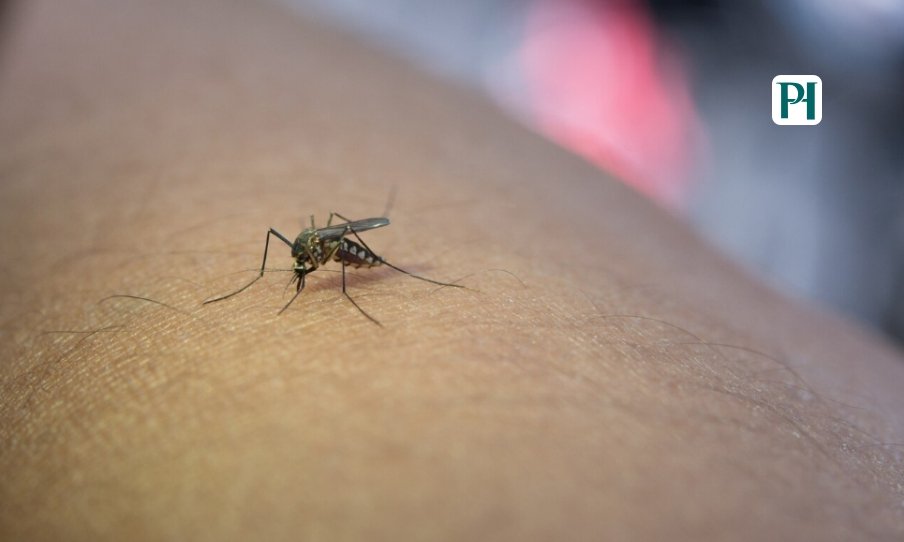 Most people who catch dengue fever never know it. Others spend a week with a fever that feels like the worst flu of their lives, and a small number get dangerously sick just as they start to feel better.
That twist is what makes the infection so hard to read. Aedes mosquitoes spread the virus, and the World Health Organisation (WHO) reports that most infections cause no symptoms at all. For those who do fall ill, the illness usually brings a sudden high fever, headache, body aches, nausea and sometimes a rash, and most people recover within one to two weeks. This guide covers the early signs, the warning signs that need a hospital, what actually helps at home and how to lower your risk.
What Are the Early Symptoms of Dengue Fever?
Symptoms usually appear about four to seven days after an infected mosquito bite, although NSW Health puts the full range at three to 14 days. The start is abrupt, which is one clue that separates it from a slow-building cold. The early signs include:
- Sudden high fever, which typically lasts around six days
- Severe headache and pain behind the eyes
- Muscle and joint aches, which earned the illness its old nickname, breakbone fever
- Nausea or vomiting
- Extreme tiredness
- A skin rash
Symptoms can differ between infants, children and adults. Dengue symptoms also overlap with malaria, typhoid, Zika and chikungunya, so a fever after time in a tropical area is worth a proper blood test rather than guesswork. Laboratories can look for antibodies to the virus or for its genetic material. Tell your doctor where you have travelled recently, because that detail often decides which tests they order.
Dengue Symptoms That Signal Severe Illness
The risky stage often starts just as you begin to feel better. NSW Health notes that warning signs tend to appear three to seven days after the first symptoms, right as the fever eases and the temperature drops below 38°C. That drop can look like recovery, but it is exactly when to watch closely.
WHO lists these signs of severe dengue:
- Severe abdominal pain
- Persistent vomiting
- Rapid breathing
- Bleeding from the gums or nose
- Blood in vomit or stool
- Restlessness, fatigue or weakness
- Pale, cold skin and extreme thirst
Anyone with these signs needs urgent hospital care. In severe cases, blood vessels leak, which can lead to bleeding, shock and organ failure.
Why do some people get hit harder? Four related viruses (called serotypes) cause dengue. Recovering from one gives lifelong protection against that type, but only partial, short-lived protection against the other three. A second infection with a different type raises the risk of severe disease.
How Dengue Fever Spreads and How Common It Is
The virus spreads through the bite of infected Aedes mosquitoes, mainly Aedes aegypti. It does not pass directly from person to person, although NSW Health notes rare transmission through blood transfusions, organ transplants and needle stick injuries.
The scale is large and still growing. A review in eClinicalMedicine, citing WHO’s global surveillance system, reported about 13 million cases and more than 8,700 deaths worldwide from the start of 2024 through late that year, including nearly 42,000 severe cases. The same review estimates that around 4 million cases need hospital care each year. These are reported cases, so the real number is likely higher, since most infections cause no symptoms.
Dengue Treatment: What Helps and What to Avoid
No antiviral cures the infection, so care focuses on comfort and monitoring. WHO advises rest, plenty of fluids and paracetamol (acetaminophen) for pain and fever. It also says to avoid ibuprofen and aspirin. Both are common household painkillers, so it helps to know this before the first fever starts.
The second half of the treatment is watching. Most people recover at home within one to two weeks, but early detection and access to proper medical care greatly lower deaths from severe disease. If you suspect dengue fever, see a doctor early and go straight to an emergency department if any warning sign above appears. Medicine doses for children and pregnant women should come from a doctor.
Dengue Prevention: Mosquito Control and the Vaccine
WHO says prevention relies mainly on controlling mosquitoes. Aedes mosquitoes bite during the day, with activity peaking in the early morning and late afternoon, so evening-only protection misses much of the risk. Practical steps include:
- Using repellent and wearing long sleeves and trousers in affected areas.
- Fitting screens on windows and doors
- Emptying containers that hold water, such as buckets, flower-pot saucers and old tyres, because the mosquitoes breed in small pools near homes
A vaccine now exists. WHO recommends Qdenga (TAK-003) for children aged 6 to 16 in areas with high dengue transmission, given as two doses three months apart, and it prequalified the vaccine in May 2024. A long-term trial follow-up of 4.5 years found about 60 per cent protection against symptomatic dengue and 84 per cent against dengue hospitalisation. Availability varies by country, and WHO treats vaccination as one part of an overall strategy alongside mosquito control, not a replacement for it.
What to Remember About Dengue Fever
The most important thing about dengue fever is timing. The first few days look like a bad flu, but the dangerous period often begins as the fever fades, so that is when to watch closely rather than relax. Learn the warning signs, avoid ibuprofen and aspirin, and get medical advice early if you have a fever after time in a place where the virus circulates. Clearing standing water around your home and avoiding bites protects you and your neighbours. Case numbers change quickly, so check WHO or your national health ministry for the latest figures before you travel.