
Advanced Medical Imaging: Transforming Diagnosis and Modern Healthcare 
In recent decades, healthcare has changed fast – advanced medical imaging plays a big role. Spotting illnesses early or helping during tough surgeries shows how vital these tools are. Detailed pictures of the inside come without cuts thanks to high-tech scanners. Doctors see what’s happening clearly, which leads to quicker decisions and better care tailored exactly where needed.
Now machines see what humans miss, thanks to sharper software and quicker analysis. Medical centers everywhere start spotting issues earlier because cameras think like experts. Faster chips plus clever code change how clinics handle illness day by day. Smarter scans mean fewer surprises during treatment steps.
The Evolution Of Diagnostic Imaging Technologies
Back then, doctors worked with faint silhouettes on film after Wilhelm Röntgen found those strange rays. Picture this – shaky outlines, guesswork heavy, not much detail to go by. Yet slowly, machines got smarter, ideas turned into scanners that sliced the body into layers. One breakthrough followed another: magnets mapping soft tissue, sound waves bouncing through organs, radioactive tracers lighting up metabolic trails. Each leap peeled back more mystery, changed how clinics saw inside without cutting open.
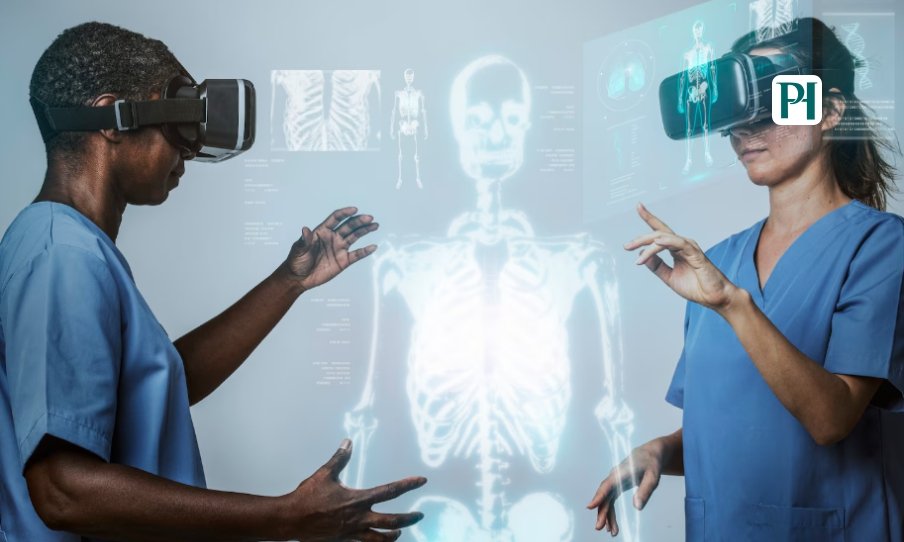
Peering inside the body gets easier when older techniques meet modern processing power, producing sharp 3D views of organs, tissue, or veins. With that kind of image quality, physicians see intricate physical forms as if they were right in front of them.
One of the most significant improvements in recent years has been the integration of digital processing and machine learning algorithms. These technologies help enhance image quality, reduce noise, and highlight potential abnormalities automatically. As a result, radiologists can interpret scans more efficiently and with greater confidence. This evolution has significantly improved diagnostic accuracy and patient outcomes.
Improving Early Detection and Disease Management
Early diagnosis plays a critical role in successful treatment, particularly for conditions such as cancer, cardiovascular disease, and neurological disorders. Advanced medical imaging enables clinicians to detect subtle structural and functional changes within the body long before symptoms appear.
For example, modern imaging systems can identify tiny tumors, microfractures, or early signs of organ damage that may not be visible through traditional diagnostic methods. This capability allows doctors to intervene earlier, often preventing diseases from progressing to more severe stages.
Beyond diagnosis, imaging technologies also play a vital role in monitoring treatment progress. Doctors can track how a tumor responds to chemotherapy or observe how tissues heal after surgery. This ongoing assessment helps physicians adjust treatment strategies in real time, ensuring that patients receive the most effective care possible.
In addition, imaging technologies are widely used in minimally invasive procedures. Surgeons often rely on real-time imaging guidance when performing delicate operations, improving precision and reducing the risk of complications.
The Role of Artificial Intelligence in Modern Imaging
Artificial intelligence is rapidly transforming the healthcare landscape, and imaging technologies are among the fields benefiting most from its capabilities. By analyzing vast datasets of medical scans, AI systems can identify patterns that may be difficult for the human eye to detect.
Advanced medical imaging now incorporates AI-driven tools that assist radiologists in identifying potential abnormalities, prioritizing urgent cases, and reducing interpretation time. These systems do not replace medical professionals but instead act as powerful support tools that enhance their decision-making abilities.
AI algorithms can also help standardize diagnoses across different healthcare facilities. By comparing images against large databases of known cases, these systems can provide valuable insights that assist doctors in making more informed clinical decisions.
Another advantage of AI integration is workflow optimization. Automated image analysis can significantly reduce the time required to review large volumes of scans, allowing radiologists to focus more on complex cases and patient care.
Expanding Applications Across Medical Specialties
The impact of advanced medical imaging extends across nearly every medical discipline. In cardiology, imaging technologies help doctors assess heart function, detect blocked arteries, and evaluate blood flow. In neurology, they provide critical insights into brain activity, enabling the early detection of strokes, tumors, and neurodegenerative diseases.
Orthopedic specialists rely on imaging tools to diagnose fractures, joint disorders, and soft tissue injuries. Similarly, oncologists use imaging throughout the cancer care journey, from initial diagnosis to treatment planning and long-term monitoring.
Pediatric medicine has also benefited greatly from improved imaging methods. New technologies allow doctors to capture high-quality images while minimizing radiation exposure, making diagnostic procedures safer for children.
In research settings, imaging technologies are helping scientists better understand disease mechanisms and develop innovative treatment approaches. By visualizing biological processes in unprecedented detail, researchers can explore how diseases develop and how therapies interact with the human body.
Shaping the Future of Healthcare
The future of healthcare will be deeply influenced by continued innovations in advanced medical imaging. Emerging technologies such as hybrid imaging systems, molecular imaging, and real-time 3D visualization are expected to push the boundaries of medical diagnostics even further.
As healthcare systems become more data-driven, imaging platforms will increasingly integrate with electronic health records and predictive analytics tools. This connectivity will enable more personalized treatment strategies tailored to individual patients.
Ultimately, the goal of these advancements is to improve patient outcomes while making healthcare more efficient and accessible. With ongoing research and technological development, advanced medical imaging will continue to play a central role in shaping the next generation of medical diagnostics and treatment.