
AI Voice Assistants in Healthcare Industry Use Cases: The Rise of the AI Voice Agent
Operational Resilience: What It Is And Why It’s Important?
Right now, healthcare around the world hits a turning point – digital change can’t wait. Older people need more care, long-term illnesses spread fast, meanwhile hospitals run short on doctors and nurses. Because of this pressure, smart voice helpers built with artificial intelligence show real promise. They’re stepping beyond basic jobs like answering questions or reading messages out loud. Instead, they appear in clinics, operating rooms, even back offices helping staff stay focused. At the same time, leaders are increasingly connecting these innovations to Operational Resilience, asking deeper questions around Operational Resilience: What It Is And Why It’s Important? Better results for patients come through their support, stress drops among workers, daily routines get smoother. These tools listen closely using special software that grasps meaning, tone, speech patterns once too hard to decode. Look close at where they work – their role changes everything about treatment, records, follow-ups. Strengthening Operational Resilience now depends not just on backup systems, but on intelligent assistance woven into care delivery. Progress isn’t small here – it reshapes who does what, when, and how help reaches those who need it. Care feels different now, not because machines take over, but because time opens up for human moments, reinforcing why conversations around Operational Resilience: What It Is And Why It’s Important? are gaining urgency.
Revolutionizing Patient Engagement and Proactive Remote Monitoring
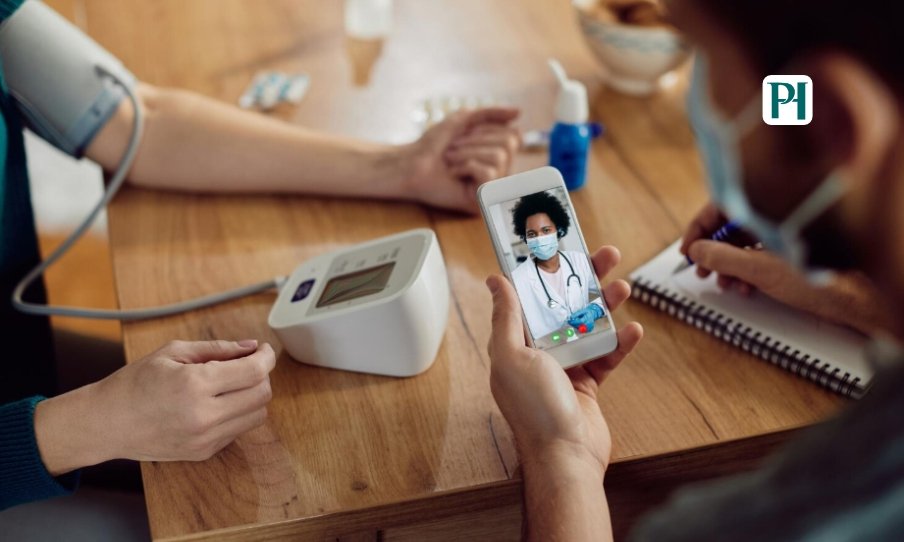
Right off, AI voice agents show real promise helping people manage long-term health problems beyond hospitals. Living with things like high blood pressure or diabetes means keeping close track every single day. Survival often depends on sticking tightly to care routines and checking key body signals regularly. A digital helper that talks can check in anytime, asking if pills were taken or whether exercises got done. Instead of tapping screens, users just respond out loud – making it easier for many to stay involved. This kind of talking tool feels more like chatting than filling forms online. Older adults might find speaking simpler than wrestling with tiny buttons or blurred displays. People who have trouble seeing or moving fingers don’t face the same barriers here. No need to open apps or remember passwords; questions come through naturally by ear. Help shows up in conversation flow, not pop-ups or alerts demanding attention. All of this contributes directly to Operational Resilience by keeping patients stable outside hospital walls.
Sometimes they ask questions made just for you. Because of how replies stack up, the system figures out if something feels serious. When urgency shows itself, it might point toward calling an ambulance. Other times, a regular doctor visit fits better. Some cases simply need rest or basic steps at home. That sorting job lightens pressure on busy hospital doors. Only critical cases take priority then. Everyone else gets clarity without delay. Later on, what you said travels straight to your care group. Details pile up outside clinic hours. Problems spotted early often avoid breaking into chaos later. Preventing that chaos sits at the heart of Operational Resilience: What It Is And Why It’s Important? — maintaining stability even when demand surges unexpectedly.
Combating Clinician Burnout by Reducing the Massive Documentation Burden
Right now, too many healthcare workers feel worn out – this problem stretches across countries. A major reason? The heavy load of typing everything into digital systems after seeing each person. Staff in clinics say they stare at monitors longer than they look at those needing care. Hidden helpers made smart by artificial intelligence quietly capture what happens during visits. As talk flows between provider and visitor, these tools catch words, spot important health details, automatically fill forms while the moment unfolds. Eyes stay locked where they belong – not drifting toward screens but staying present with living, breathing people sitting right there. Reducing burnout is not only about morale; it directly impacts Operational Resilience by protecting the workforce that keeps systems running.
One quiet change in clinics? Voice helpers now run like unseen operators behind the scenes. Instead of tapping keys, doctors speak – medical records appear, test outcomes load, prescriptions send. These spoken cues keep attention on patients, not screens. Hours once buried in paperwork float back into each day. More time means deeper talks, fewer rushed notes. Staff feel less worn down when routine tasks fade quietly away. A steady helper stays alert through every shift, catching details without errors. What hums under the surface lifts real moments – the glance, the pause, the nod between doctor and person. Sustaining staff energy over time strengthens Operational Resilience: What It Is And Why It’s Important? becomes clearer when human capacity is preserved rather than depleted.
Streamlining Administrative Workflows and Enhancing Hospital Operational Efficiency
Away from one-on-one doctor visits, voice helpers powered by artificial intelligence are quietly reshaping how hospitals run behind the scenes. Instead of clicking through screens, these tools book difficult appointments on their own while handling waves of basic insurance questions every day. They keep track of medical gear and medicine levels across large facilities, adjusting stock as needs shift minute by minute. Nurses and operating teams now speak commands aloud to get urgent items delivered, flag broken machines, or note when someone is ready to go home. Because hands stay free, workers avoid touching germ-covered keyboards during critical moments. Fewer shared surfaces touched means lower chances for harmful germs to spread. Speed adds up, errors drop – simple actions gain new weight in tense environments where time bends under pressure. Precision folds into motion, not just data entry. These steady improvements collectively reinforce Operational Resilience by ensuring services continue smoothly even during strain.
Routine work flows smoother, yet the biggest gains hide in small pauses avoided, in silent risks reduced each hour. What once demanded steps, logins, waiting – now happens between breaths. Systems listen. Tasks move forward. People remain focused where it matters most. And in that quiet continuity lies the answer to Operational Resilience: What It Is And Why It’s Important? It is about absorbing disruption without collapsing, about adapting without panic.
Sounds strange maybe, but voices might soon help spot diseases way earlier than doctors ever could. Not through words spoken, but how they’re said – tiny shakes, pauses, shifts too faint for ears to catch. Machines trained to notice these details have begun picking up hints of Parkinson’s, memory loss, deep sadness just from speech rhythms alone. Before shaking hands or forgetful moments show up, the clues already exist in vocal texture. That means testing could start at home, quietly, without clinics or waiting rooms involved. With time, systems handling this data are getting better built to protect privacy, following strict medical rules by default. What feels like sci-fi today may become routine checkups tomorrow. Instead of replacing caregivers, tools like this could give them sharper insights sooner. Help arrives not because someone noticed something odd, but because silence between syllables told a story. The humanness stays. Tech just listens closer now, strengthening Operational Resilience in ways once impossible to imagine.