
Digital Twin Applications in Pediatric Cancer Care Plans
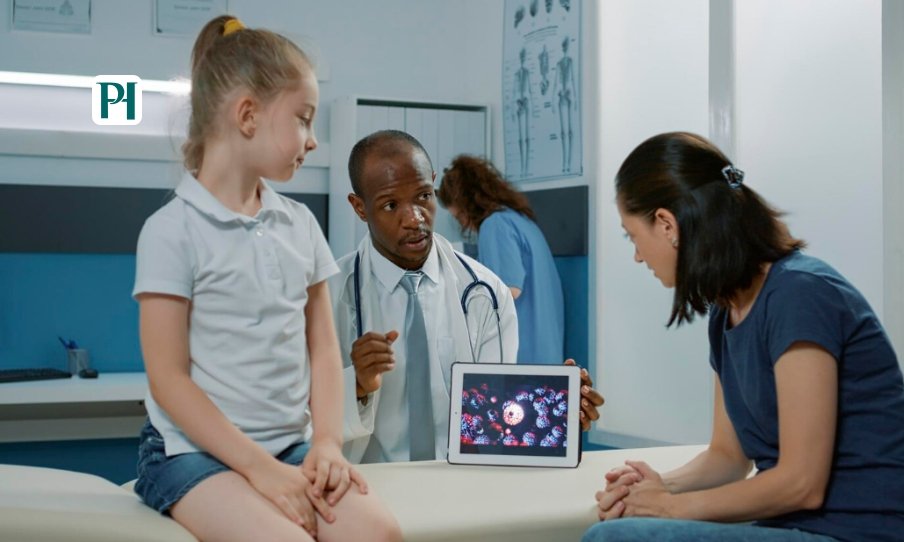 The healthcare industry is undergoing a technological transformation, and one of the most promising advancements is the use of Digital Twin applications. In particular, Digital Twin Applications in Pediatric Cancer Care Plans are redefining how clinicians approach diagnosis, treatment, and long-term monitoring. By creating a virtual replica of a patient’s biological systems, Digital Twin applications allow doctors to simulate treatment outcomes before implementing them in real life. For children battling cancer, this innovation offers hope for safer, more personalized, and more effective therapies.
Digital Twin Applications in Pediatric Cancer Care Plans are designed to integrate patient-specific data, including genetic profiles, imaging results, and treatment history. These Digital Twin applications generate dynamic models that evolve with the patient’s condition. As pediatric oncology requires highly tailored interventions, Digital Twin Applications in Pediatric Cancer Care Plans are proving to be transformative tools in precision medicine.
Understanding Digital Twin Applications in Modern Medicine
Digital Twin applications originated in engineering and manufacturing, where virtual models replicate physical systems for analysis and optimization. In healthcare, Digital Twin applications function as real-time digital representations of patients, enabling clinicians to test different therapeutic strategies in a virtual environment. This innovation has particular relevance in pediatric oncology, where each case presents unique challenges.
Digital Twin Applications in Pediatric Cancer Care Plans combine data from imaging technologies, laboratory tests, genomics, and wearable monitoring devices. These Digital Twin applications continuously update the virtual model, reflecting changes in tumor growth, immune response, and overall health. Through Digital Twin Applications in Pediatric Cancer Care Plans, physicians can assess how a child’s body might respond to chemotherapy, radiation, or immunotherapy without exposing the patient to unnecessary risk.
By leveraging predictive analytics and artificial intelligence, Digital Twin applications offer insights that traditional treatment planning may overlook. In complex pediatric cases, Digital Twin Applications in Pediatric Cancer Care Plans enable more informed decisions, reducing trial-and-error approaches and improving treatment precision.
Personalization Through Digital Twin Applications in Pediatric Cancer Care Plans
One of the greatest advantages of Digital Twin Applications in Pediatric Cancer Care Plans is personalization. Pediatric cancers often differ significantly from adult cancers in terms of biology and progression. Digital Twin applications allow oncologists to tailor interventions to the specific characteristics of a child’s disease.
Through Digital Twin Applications in Pediatric Cancer Care Plans, clinicians can simulate multiple treatment pathways and evaluate potential outcomes. For example, Digital Twin applications can model how a tumor might shrink in response to a specific chemotherapy dosage or how the child’s immune system may react to immunotherapy. This predictive capability minimizes adverse effects while maximizing therapeutic benefits.
Digital Twin Applications in Pediatric Cancer Care Plans also support adaptive treatment strategies. As the child’s condition evolves, Digital Twin applications adjust the virtual model accordingly. This continuous feedback loop ensures that care plans remain aligned with the patient’s current health status. By integrating real-time data, Digital Twin Applications in Pediatric Cancer Care Plans create a dynamic and responsive approach to cancer management.
Enhancing Clinical Decision-Making and Collaboration
Digital Twin applications significantly enhance clinical collaboration. Pediatric cancer treatment often involves multidisciplinary teams, including oncologists, radiologists, surgeons, and genetic specialists. Digital Twin Applications in Pediatric Cancer Care Plans provide a shared platform where healthcare professionals can visualize and analyze the same patient-specific data.
With Digital Twin applications, care teams can explore various scenarios collectively. Digital Twin Applications in Pediatric Cancer Care Plans enable simulations that illustrate potential risks and benefits, fostering evidence-based discussions. This collaborative decision-making reduces uncertainty and increases confidence in chosen treatment pathways.
Furthermore, Digital Twin Applications in Pediatric Cancer Care Plans can improve communication with families. Explaining complex treatment options becomes easier when supported by visual and data-driven simulations. Digital Twin applications help caregivers understand how specific therapies may impact their child, building trust and clarity throughout the treatment journey.
The Future of Digital Twin Applications in Pediatric Oncology
The future of Digital Twin Applications in Pediatric Cancer Care Plans is promising. As technology advances, Digital Twin applications will become more accurate and accessible. Integration with advanced imaging, genomics, and machine learning will enhance predictive capabilities, making Digital Twin Applications in Pediatric Cancer Care Plans even more precise.
Research institutions and healthcare innovators are investing in Digital Twin applications to expand their clinical use. As data collection becomes more sophisticated, Digital Twin Applications in Pediatric Cancer Care Plans will evolve into essential components of precision oncology. These Digital Twin applications have the potential to reduce treatment complications, shorten recovery times, and improve survival rates.
Ultimately, Digital Twin Applications in Pediatric Cancer Care Plans represent a significant step toward personalized and proactive healthcare. By leveraging Digital Twin applications, clinicians can transform pediatric cancer treatment from reactive intervention to predictive and preventative care. As this technology continues to mature, Digital Twin Applications in Pediatric Cancer Care Plans may become a cornerstone of compassionate, data-driven pediatric oncology.