
Dr Vivek Murthy Shapes Global Mental Health and AI Policy in 2026 
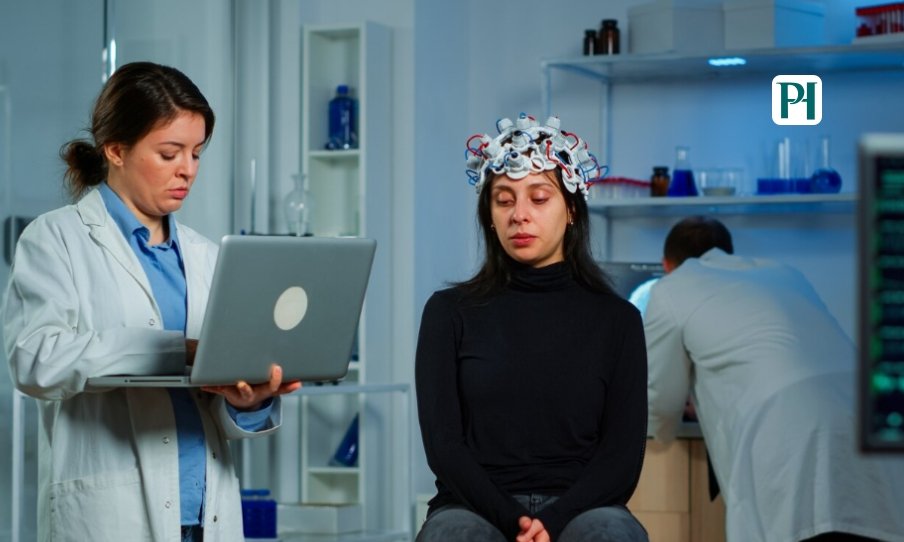
Out front in the health world right now? That would be U.S. Surgeon General Vivek Murthy. By 2026, he’s shifting how nations think about care – not just bodies but minds, screens, and smart systems too. Instead of treating emotional well-being like some backbench issue, it’s being framed as central to doing good work, staying steady under stress, growing young people strong. Since earlier efforts spotlighted loneliness, this next phase digs deeper. Schools begin checking in emotionally, not only academically. Companies start weaving support into daily tasks. Even apps nudge users toward help before crisis hits. Tools powered by artificial intelligence offer quiet guidance – available anytime, anywhere – for teens navigating change or adults working far from office walls.
Guidelines are being shaped by Murthy around AI use in mental health care – think chatbots sorting emergency calls or software spotting first hints of depression in medical files. Not every algorithm gets a free pass; he insists they undergo checks for unfair patterns, follow treatment plans built by doctors, and operate openly so people see where their information goes. With efforts matching those led by the World Health Organization on digital health rules worldwide, he often bridges conversations among American policy groups and overseas regulators.
Out past official channels, Murthy works alongside major technology firms, health coverage providers, and new small companies to build tools focused on well-being – tools that connect mood tracking with devices you wear, online counseling systems, and job-based support plans. When top medical news sources talk about him, they see a shift happening: emotional wellness paired with smart software is now seen not as something rare but as essential, shaping how benefits are structured, office rules updated, even how lawmakers discuss fixing the broader system.
Read Also: Dr Margaret Hamburg Champions Global Pandemic Preparedness in 2026