
Future Healthcare Technology Trends Where AI and Human Intelligence Converge
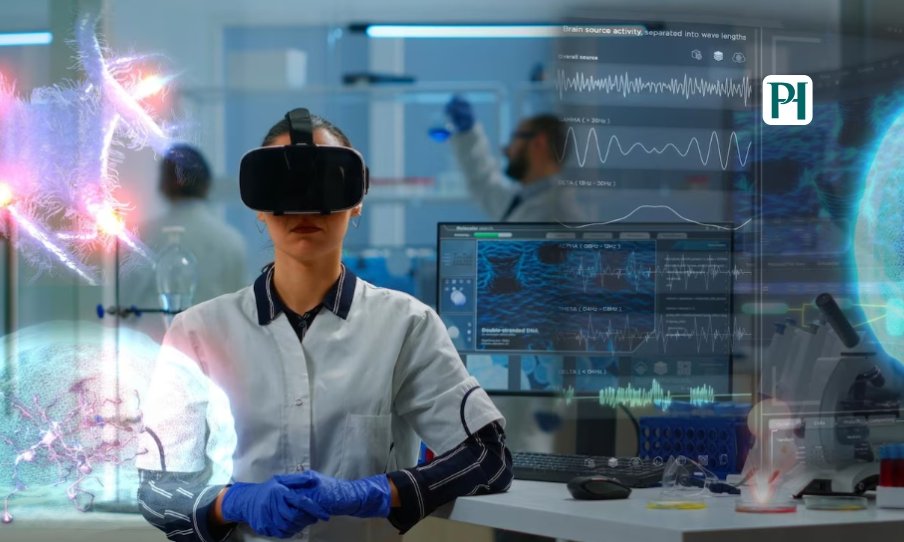
Healthcare is entering a transformative era shaped by rapid digital innovation, data-driven decision-making, and smarter clinical systems. As hospitals, insurers, and health-tech companies modernize their infrastructure, future healthcare technology trends are increasingly defined by the collaboration between AI and Human Intelligence. Rather than replacing medical professionals, intelligent systems are augmenting their expertise, enabling faster diagnoses, personalized treatments, and improved patient outcomes.
The next decade will not simply be about automation. It will be about integration—where algorithms process vast datasets while clinicians apply judgment, empathy, and contextual understanding. This synergy is reshaping how care is delivered, managed, and experienced.
The Rise of Intelligent Diagnostics and Predictive Care
One of the most significant future healthcare technology trends is the use of advanced analytics and machine learning to enhance diagnostic accuracy. AI systems can analyze medical images, pathology slides, and patient records at a scale and speed beyond human capability. In radiology, for instance, algorithms assist in detecting anomalies such as tumors or fractures with remarkable precision.
However, AI and Human Intelligence work best together. While algorithms identify patterns, physicians interpret findings within the broader clinical context. A radiologist does not simply rely on a flagged image; they consider patient history, symptoms, and potential risk factors before making a final diagnosis. This collaboration reduces false positives and improves confidence in decision-making.
Predictive care is another growing area. AI models analyze historical data to forecast disease progression, hospital readmissions, or potential complications. When combined with physician oversight, these insights enable early intervention strategies. Instead of reacting to illness, healthcare providers can proactively manage patient health, reducing costs and improving quality of life.
Personalized Medicine and Data-Driven Treatment Plans
The shift toward personalized medicine is central to future healthcare technology trends. Advances in genomics, wearable devices, and electronic health records have created vast streams of patient data. AI systems can synthesize this information to recommend tailored treatment plans based on genetic profiles, lifestyle factors, and clinical history.
Yet personalization cannot rely on algorithms alone. AI and Human Intelligence must align to ensure ethical, safe, and patient-centered care. Clinicians interpret AI-generated recommendations, discuss options with patients, and adjust treatments based on individual preferences and values. Human empathy and communication remain irreplaceable components of effective healthcare.
Wearable technology and remote monitoring devices also play a key role. Continuous data collection allows AI platforms to detect irregular heart rhythms, glucose fluctuations, or sleep disturbances in real time. Physicians can then intervene before conditions escalate. This integration supports chronic disease management and empowers patients to take an active role in their health journey.
Automation in Operations and Administrative Efficiency
Beyond clinical applications, operational efficiency is another area where AI and Human Intelligence intersect. Administrative burdens—such as appointment scheduling, claims processing, and documentation—consume significant time and resources. Intelligent automation tools streamline these tasks, reducing manual errors and freeing healthcare professionals to focus on patient care.
Natural language processing systems can transcribe physician notes, summarize consultations, and update electronic health records automatically. While these systems enhance productivity, human oversight ensures accuracy and compliance with regulatory standards. The partnership between technology and healthcare staff leads to smoother workflows and improved patient experiences.
In addition, supply chain optimization and resource allocation are being transformed through predictive analytics. Hospitals can anticipate demand for beds, equipment, or medications, minimizing shortages and waste. These operational improvements reflect broader future healthcare technology trends that emphasize resilience and efficiency.
Ethical Considerations and the Human Touch
As technology becomes more embedded in healthcare systems, ethical considerations are gaining attention. Data privacy, algorithmic bias, and transparency in decision-making are critical issues. While AI offers powerful capabilities, it must be governed responsibly to maintain patient trust.
AI and Human Intelligence together provide a safeguard against over-reliance on automation. Healthcare professionals question outputs, validate recommendations, and ensure fairness in treatment decisions. Regulatory frameworks and governance models are evolving to balance innovation with accountability.
Equally important is the human connection in healthcare. Compassion, reassurance, and cultural sensitivity cannot be coded into algorithms. Even as chatbots and virtual assistants handle preliminary inquiries, meaningful patient interactions remain the domain of skilled professionals. The most successful organizations will integrate advanced technologies without compromising empathy and personalized attention.
Preparing for a Collaborative Digital Future
Organizations that want to stay ahead of future healthcare technology trends must invest not only in digital tools but also in workforce development. Training clinicians to interpret AI insights, strengthening cybersecurity infrastructure, and fostering interdisciplinary collaboration are essential steps.
Healthcare leaders should view AI and Human Intelligence as complementary forces rather than competing ones. Technology excels at processing large datasets, identifying patterns, and automating repetitive tasks. Humans excel at critical thinking, ethical judgment, and emotional connection. Together, they create a more adaptive and patient-focused system.
Looking forward, the convergence of advanced analytics, remote monitoring, robotics, and precision medicine will continue to redefine care delivery. However, the core mission of healthcare remains unchanged: improving patient well-being. Technology serves as an enabler, not a replacement.
In this evolving landscape, success will depend on balance. By integrating intelligent systems with professional expertise, healthcare organizations can build resilient, efficient, and compassionate ecosystems. The future belongs not to machines alone, but to the thoughtful collaboration between digital innovation and human insight.