
Healthcare Leaps Forward with AIDriven Care and Data Integration 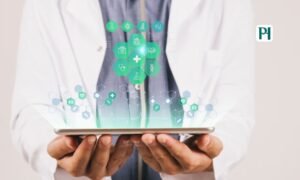

By 2026, healthcare around the globe begins weaving artificial intelligence into daily operations, connecting data between hospitals, insurance firms, and online health tools – this helps patients get better results at lower expense.
At key tech-health gatherings and government meetings, attention turns to five shifts gaining ground: remote consultations grow more common, smart software aids disease detection, medical files start speaking the same digital language, money flows toward precise biotech ventures, and networks form where public services team up with private startups.
Instead of waiting, officials push digital-first plans requiring clinics to share details seamlessly, yet they also spend on stronger cyber shields so personal health data stays secure.
Starting strong, Dr. Jennifer D’Angelo runs a nationwide system where artificial intelligence helps manage care for people with long-term illnesses, easing pressure on hospital emergency units. Meanwhile, halfway around the world, Dr. Abdullah Abdulrazzaq works hard to fix how medicines are monitored in Iraq, focusing especially on low-cost versions trusted by many.
Instead of waiting for crises, clinics now track well-being nonstop using smart tools fed by real-time information flows. Behind these changes, big science companies join forces with small tech teams building intelligent systems for faster medicine development. Because digital links grow sharper every day, patient support evolves constantly – no longer just fixing problems but guiding health ahead of time.
Though different in focus, both doctors push boundaries others rarely attempt, shaping what medical safety means today.