
Samsung launches AI-powered R20 ultrasound system aiming to transform medical imaging
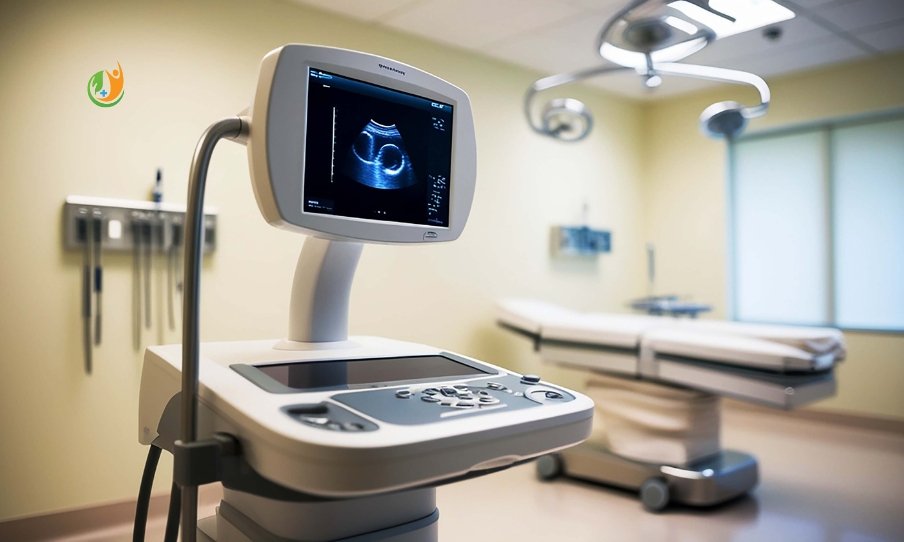
Samsung Healthcare launched the R20 ultrasound system, a next-generation imaging tool that aims to minimize operator variation and increase diagnostic consistency in medical ultrasound scans. The company made the announcement at the 2025 Radiological Society of North America (RSNA) conference.
Usually, an ultrasound image that is clear and reliable takes a lot of work and skill. However, what is of high quality is so dependent on the technician’s experience that the outcomes may vary greatly. Essentially, the R20 system moves away from that model by coupling state-of-the-art imaging hardware with AI-powered real-time guidance and diagnostic support, i.e., the system guides users during the scan and it helps detect emerging issues such as liver or breast lesions.
The R20 is compatible with a vast variety of uses. It includes the abdomen, vascular, musculoskeletal, gynecology, urology, breast, etc. Its upgraded beamforming software has the ability to produce crisp images that are also consistent. Arguably, the AI functionalities may be the ones that allow the practice to be carried out at different levels of proficiency with clinicians being able to scan patients, having reduced the learning curve and operator-dependence and thus ultrasound reliability has been stabilized.
Samsung maintains that such an innovation matters now than ever before. As a result of many experienced sonographers retiring and new, less-experienced staff taking over, it is becoming increasingly difficult to maintain a consistent standard of image quality. R20’s goal is to make imaging the same everywhere and decrease the number of times that patients have to be re-examined, which in turn will shorten patient waiting times, decrease the workload in radiology departments and raise diagnostic accuracy.
This innovation exemplifies a move towards intelligent, AI-supported devices in diagnostic imaging instead of simply depending on human skills. Moreover, it indicates that the technology may become more accessible: small clinics or hospitals in less-served areas may now be equipped with devices that yield results close to the expert-level for ultrasound without requiring highly trained technicians.
In the era when early intervention and timely diagnostics are a major factor in saving lives, the R20 system may be instrumental in closing the gaps in access and quality. Eventually, as AI imaging integration becomes more profound, patients in remote areas or resource-limited settings may see their diagnostics improve and become more reliable.