
The Future of Healing: Navigating the Most Impactful Latest Medical Breakthroughs Today
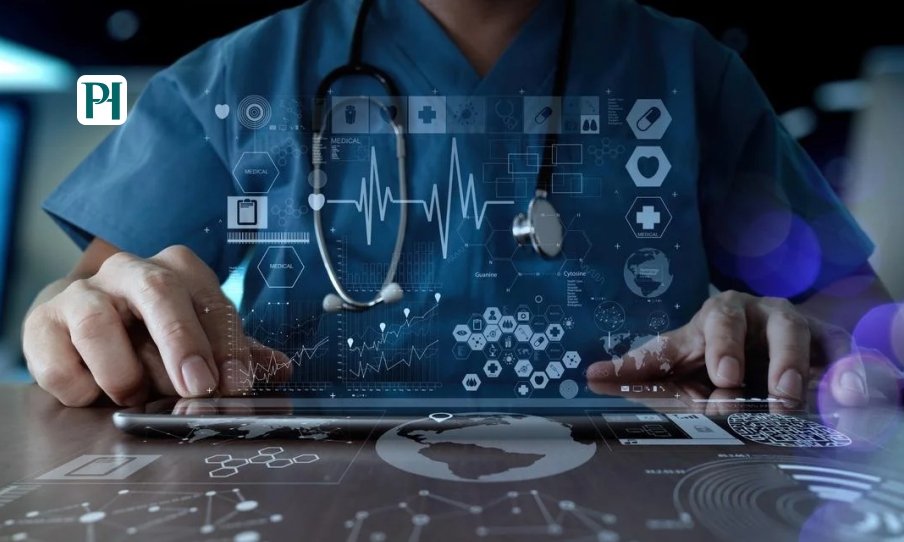
Fast changes in health care come from stronger computers meeting deeper knowledge about living things. Instead of waiting for sickness to show up, doctors now aim to stop it before it starts. New tools let them read the body’s inner instructions, correcting problems early. Into this part of the century, machines and human bodies mix more each day. People who once had few paths forward now see new possibilities opening quietly.
The Rise of Adjustable Medicines and Turning Off Genes
Right where old methods slowed down, new tools step in – not by masking symptoms but by steering cells differently. Medicine once leaned only on pills, tiny chemicals shaping how proteins acted inside us. Now imagine changing the script before the protein even forms – that is what happens when science reaches into DNA itself. Instead of waiting for harm to build up, researchers intercept faulty messages using tools like CRISPR or RNAi. Silencing bad genes feels less like fixing and more like sidestepping a mistake altogether. It shifts everything: treatment becomes prevention, correction replaces control. One person at a time, treatments for inherited vision loss and sickle cell are showing real results – lasting change from just one fix. Because of this, medicine is slowly turning personal: not mass-made pills, but precise fixes built for only one body’s code. Instead of searching for one cure-all answer, scientists now shape tools that fit exactly what’s broken.
Artificial Intelligence as a Diagnostic Powerhouse
Beyond the microscopic level of genes, the integration of high-level computation is redefining how we detect and interpret disease. The role of artificial intelligence in analyzing medical imaging and complex datasets represents one of the latest medical breakthroughs that is currently saving lives in real-time. In oncology, AI algorithms are now capable of spotting malignant patterns in radiological scans that are nearly invisible to the human eye, often years before a tumor becomes life-threatening. This “digital twin” approach—where a patient’s data is used to simulate how they might respond to a specific treatment—allows for a level of personalization that was previously science fiction. By processing trillions of data points across global health registries, these systems can identify rare drug interactions and suggest therapeutic pivots that ensure the highest probability of success for individual patients.
Neurotechnology and the Interface of Mind and Machine
The intersection of neurology and engineering has birthed a new frontier in restorative health. Among the latest medical breakthroughs are brain-computer interfaces that allow individuals with paralysis to regain independence. These devices translate neural signals into digital commands, enabling patients to operate robotic limbs or communicate through computer interfaces simply by thinking. While early iterations were bulky and limited to laboratory settings, recent refinements have made these systems more wireless, durable, and intuitive. This leap forward is not just about physical mobility; it is about restoring the fundamental human experience of agency. Furthermore, deep brain stimulation is being refined to treat treatment-resistant depression and obsessive-compulsive disorders, providing a literal “reset” for neural circuits that have become trapped in loops of dysfunction.
Engineering Immunity Through Advanced Cellular Therapy
The fight against cancer has been fundamentally altered by our ability to weaponize the body’s own immune system. CAR-T cell therapy stands out among the latest medical breakthroughs as a testament to human ingenuity in cellular engineering. By extracting a patient’s T-cells and “training” them in a lab to recognize and attack specific cancer markers, we have turned the immune system into a living drug. This approach has led to remarkable remission rates in blood cancers that were once considered terminal. The current challenge, and the focus of upcoming research, involves applying these same principles to solid tumors and autoimmune diseases. As we learn to fine-tune the immune response, the goal is to move away from the “scorched earth” tactics of traditional chemotherapy toward a more surgical, biological strike that leaves healthy tissue untouched.
Looking Toward a New Horizon of Longevity
As these innovations move from experimental trials to standard clinical practice, the very definition of a “long life” is being recalibrated. We are no longer just extending the lifespan; we are extending the healthspan, the period of life spent in good health. These latest medical breakthroughs are collectively building a bridge to a future where aging is managed as a biological process rather than an inevitable decline. The synthesis of genetic editing, AI-driven diagnostics, and cellular regeneration suggests that the next decade of medicine will be defined by its ability to restore what was once thought lost. While challenges regarding cost and accessibility remain, the scientific foundation is firmer than ever. The velocity of these latest medical breakthroughs ensures that the “incurable” diseases of yesterday are becoming the manageable, or even curable, conditions of tomorrow. We are living through a biological renaissance that will redefine the human experience for generations to come.
Through the continuous pursuit of the latest medical breakthroughs, the medical community is proving that the limit of what is possible is constantly expanding. The integration of these latest medical breakthroughs into our daily healthcare infrastructure is the next great hurdle. As we clear that bar, the potential for human flourishing becomes nearly limitless. The impact of the latest medical breakthroughs will be measured not just in the years added to a life, but in the quality and vitality of those years. The journey toward a healthier world is fueled by these latest medical breakthroughs, and we are only just beginning to see the full scope of their transformative power.
A Vision for the Next Era of Care
As we move forward, the emphasis will likely shift from the laboratory to the bedside, ensuring that the fruits of these scientific labors reach every corner of the globe. The transition from discovery to delivery is the final, essential step in the lifecycle of any major innovation. By focusing on the ethical implementation of these powerful tools, we can ensure that the future of medicine is as equitable as it is advanced. The stories of recovery and resilience emerging from clinical trials today are the blueprints for a world where disease no longer dictates the destination of a human life. We stand on the shoulders of giants, looking toward a horizon where health is a sustainable reality for all.
Read Also: The Strategic Evolution of Patient Privacy Through Integrated Blockchain Health Records