
Understanding Your Skin Health: A Comprehensive Guide to the Different Types of Skin Cancer
Sun safety usually brings to mind the sharp pain of a burn or wanting to keep smooth skin longer. Yet what lies beneath talks more about health than looks, touching on different kinds of skin cancer that may appear across years. This condition shows up more than any other cancer worldwide, still stands among those easiest to handle when spotted soon enough. Knowing how skin cells shift and spread quietly helps guard the body’s biggest shield in ways that last.
The Most Common Culprits in the Epidermis
Most people diagnosed have non-melanoma kinds, hitting the skin’s top layer – especially the basal and squamous cells. A shiny or waxy lump, often on the face or neck, usually signals basal cell carcinoma – the most common type seen. Even though it seldom travels deep into the body, ignoring it leads to serious harm nearby. Right behind it comes squamous cell cancer, showing up as a hard red bump or a rough, crusty patch that lies flat. It moves faster than basal does, so getting care fast stops it from spreading to lymph areas.
The Rising Threat of Melanoma and Pigmentation
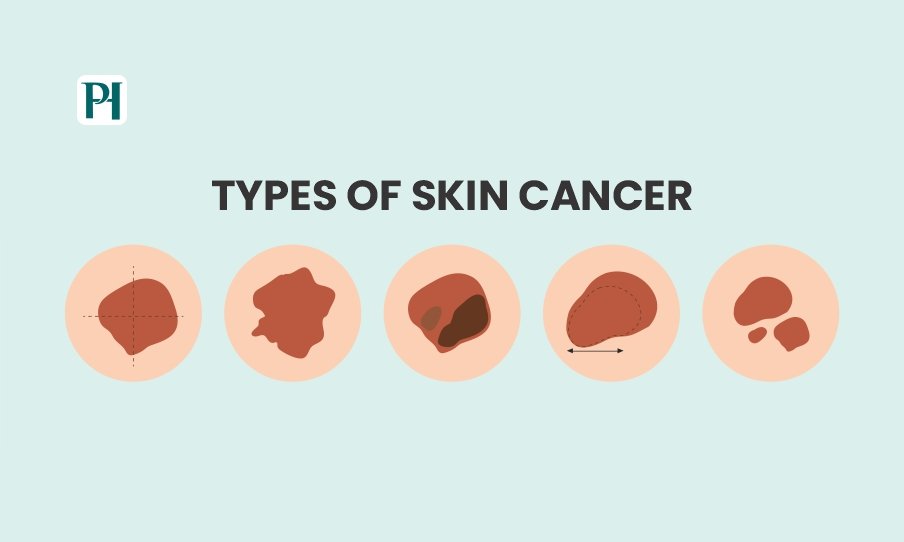
While less common than its counterparts, melanoma is significantly more dangerous because of its ability to spread rapidly to other organs if not detected in its infancy. It develops in the melanocytes, the cells responsible for producing the pigment that gives our skin its color. This specific variation among the types of skin cancer often begins as a change in an existing mole or the appearance of a new, unusual-looking growth. Because melanoma has a high potential for metastasis, dermatologists emphasize the “ABCDE” rule—asymmetry, border irregularity, color changes, diameter, and evolving shape—as a vital tool for self-examination and early diagnosis.
Rare and Aggressive Variants to Watch For
Beyond the well-known categories, there are rarer types of skin cancer that require specialized attention due to their unique behaviors. Merkel cell carcinoma is a prime example; it is a fast-growing, highly aggressive form that usually appears as a firm, painless, flesh-colored or bluish-red nodule. Because it grows so quickly, it can be particularly daunting for patients and doctors alike. Other rare forms include Kaposi sarcoma, which primarily affects individuals with weakened immune systems, and sebaceous gland carcinoma, which originates in the oil glands of the skin. Though these cases represent a small percentage of overall diagnoses, they highlight the necessity of a professional evaluation for any skin abnormality that persists over time.
Prevention and the Path to Proactive Care
Protecting yourself against the various types of skin cancer involves a dual approach of rigorous prevention and consistent monitoring. Since ultraviolet radiation from the sun and tanning beds is the primary risk factor, the daily application of broad-spectrum sunscreen is a non-negotiable habit for skin longevity. Beyond topical protection, wearing UV-rated clothing and seeking shade during peak hours significantly reduces cumulative damage. Equally important is the annual skin check performed by a board-certified dermatologist. These professionals have the tools to spot microscopic changes that the naked eye might miss, ensuring that any issues are addressed long before they become life-threatening. Taking charge of your skin health today is the most effective way to ensure a vibrant, cancer-free future.
Treatment Options and Living with Awareness
Treatment for the types of skin cancer depends on the severity and stage at diagnosis. In many cases, early-stage cancers can be treated effectively with minor surgical procedures to remove the affected tissue. Advanced cases may require radiation therapy, chemotherapy, or targeted treatments.
Modern medicine has made significant advancements, especially in treating melanoma, with therapies that boost the immune system’s ability to fight cancer cells. These developments have improved survival rates and offered hope to many patients.
Living with awareness is essential even after treatment. Regular follow-ups and continued sun protection help prevent recurrence. Educating oneself and others about the types of skin cancer contributes to a more informed and proactive approach toward health.
Final Thoughts on Awareness and Skin Health
Understanding the nature of skin cancer empowers individuals to take control of their health. With the right knowledge and preventive measures, the risks can be minimized, and outcomes greatly improved. Staying alert to changes in the skin and seeking timely medical advice ensures that even the most serious conditions can be managed effectively.