
Understanding the Complex Reality of Living with Polycystic Ovary Syndrome Every Day
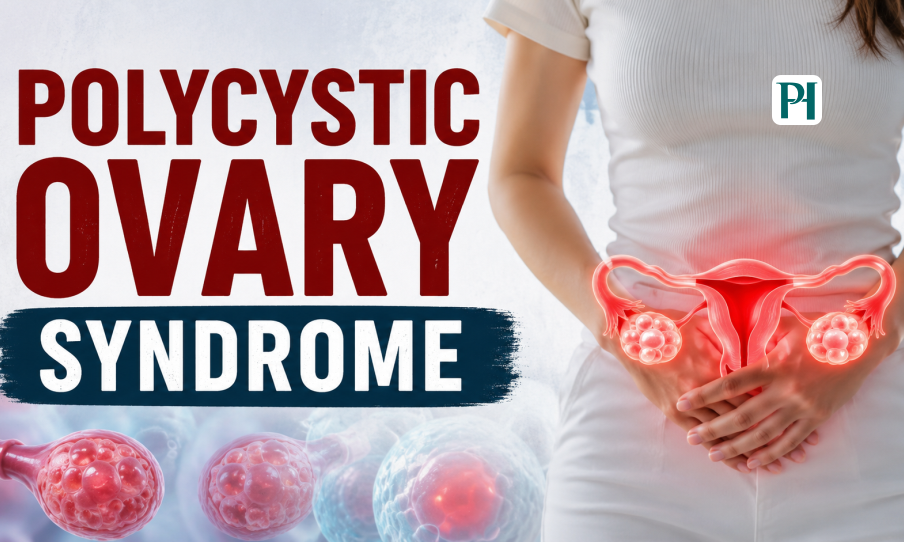
Out here, polycystic ovary syndrome shows up more than you’d think – still, few grasp what it truly involves. Not just about fertility, it reshapes how the body handles energy, mood, even sleep. Since signs blend into things like stress or weight shifts, answers tend to take years, doctor after doctor piling questions without clarity. That stretch of uncertainty? It wears people down. Still, seeing how the gears inside actually turn becomes the quiet beginning of feeling steady again.
The Biology of Hormones and Body Systems
Deep inside, shifting signals between chemicals throw off the body’s usual pace. Not really cysts at all – those bubble-like shapes on scans? Just immature egg sacs stuck mid-process, never breaking free when time comes to ovulate. Often, this ties back to too much testosterone hanging around; yes, that one usually tied to males, yet floating through every person’s system. Day after day with extra hormone traffic jams up ovarian tasks, making periods come late or skip entirely while skin battles bumps or stray hairs appear where least expected.
Insulin resistance sits at the center of polycystic ovary syndrome for many people. Because cells stop reacting properly to insulin, the pancreas revs up production to keep pace. With too much insulin floating around, fat builds up especially near the belly – yet it does more than that. It prods the ovaries into making higher levels of male hormones, which then feeds right back into worsening insulin issues. Seeing this cycle for what it really is – a bodily imbalance – helps replace blame with understanding.
Navigating the Spectrum of Physical Symptoms
The experience of living with polycystic ovary syndrome is rarely uniform; it exists on a broad spectrum where no two individuals present exactly the same way. Some may struggle primarily with the external cosmetic changes that challenge their self-esteem, while others face internal battles with fatigue and intense sugar cravings. The irregular nature of menstrual cycles can also create significant anxiety, particularly for those who are looking toward the future and considering their reproductive options. It is important to remember that while the condition is a leading cause of fertility challenges, it is by no means a guarantee of infertility.
Beyond the reproductive system, the condition carries long-term implications for cardiovascular and metabolic health. High blood pressure, elevated cholesterol, and a higher risk of developing type 2 diabetes are all potential hurdles that require proactive management. This systemic reach is why a holistic approach to care is so vital. Instead of just treating a single symptom like skin breakouts, effective management looks at the body as a whole, addressing the inflammatory processes that often simmer beneath the surface and contribute to overall malaise.
Cultivating a Sustainable Lifestyle Strategy
Managing polycystic ovary syndrome is a marathon, not a sprint, and the most effective strategies are those that can be maintained for a lifetime. Nutrition plays a foundational role, but the focus is shifting away from restrictive dieting toward a more balanced, anti-inflammatory approach. Prioritizing complex carbohydrates, high-fiber vegetables, and lean proteins helps stabilize blood sugar levels and prevents the insulin spikes that aggravate hormonal imbalances. Movement is equally critical, though it does not always mean high-intensity workouts; for many, consistent strength training or mindful walking is more effective at improving insulin sensitivity without overtaxing the adrenal system.
Sleep and stress management are the often-overlooked pillars of hormonal health. Chronic stress triggers the release of cortisol, which can further disrupt the delicate balance of reproductive hormones and worsen the symptoms of polycystic ovary syndrome over time. Incorporating practices like meditation, deep breathing, or simply ensuring a consistent sleep schedule can have a profound impact on how the body processes energy and regulates mood. When the nervous system feels safe, the endocrine system is much more likely to find its way back toward equilibrium.
Bridging the Gap Toward Long Term Vitality
Moving forward requires a shift in perspective, viewing the body not as a broken machine but as a system in need of specific, gentle support. Clinical interventions, such as insulin-sensitizing medications or hormonal regulators, can be incredibly helpful tools, but they work best when paired with a deep understanding of one’s unique triggers and needs. Advocacy is also a major part of the journey; being able to speak clearly with healthcare providers about specific concerns ensures that the treatment plan is tailored to individual goals, whether those goals involve clearing skin, increasing energy, or planning a family.
True wellness in the context of polycystic ovary syndrome involves a combination of medical insight, nutritional wisdom, and emotional resilience. It is about finding the right cadence of habits that support the body’s internal environment. While the condition may be a permanent part of one’s biological makeup, it does not have to define one’s quality of life. By staying informed and remaining patient with the process of trial and error, it is entirely possible to move beyond the struggle of symptoms and step into a life characterized by balance, strength, and a renewed sense of confidence.