
India’s HIV/AIDS Battle Reaches a Pivotal Moment
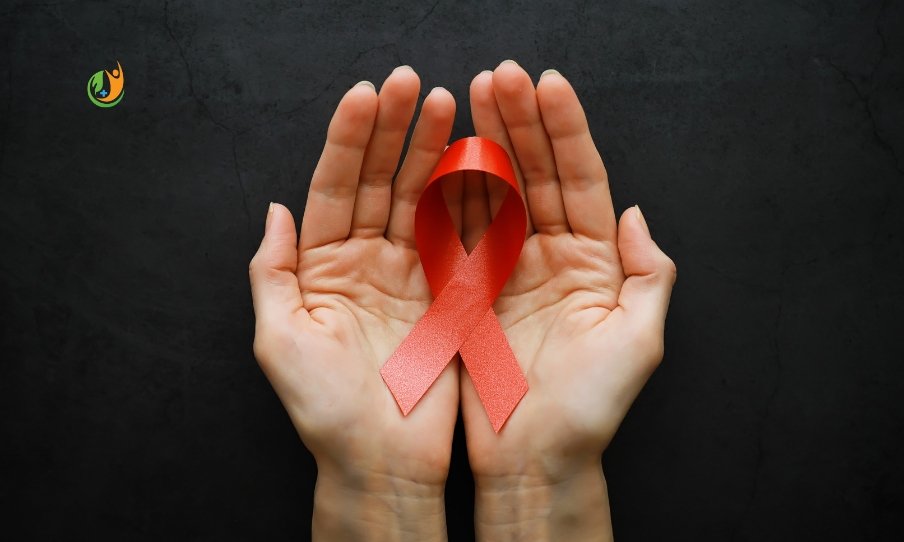
crossroads a decade after it reported its first case and even four decades after the struggle began.
It took almost a fifty percent reduction in new HIV infections from 2010 to 2019. AIDS-related deaths have been reduced by over 80%. Viral suppression is currently achieved in more than 97% of the patients on treatment. Also, India has completely transitioned to modern drug regimens based on Dolutegravir, thus the country is a global leader in treatment efficacy.
However, the epidemic has not been put to an end. The national prevalence rate of 0.20% conceals a geographical mosaic of risk areas that are emerging. There are some states, including Assam, Arunachal Pradesh, Tripura, and Punjab, which are witnessing the upsurge of new infections, mostly among people who inject drugs. In such groups, the transmission risk is still very high: the chance of HIV spread through needle-sharing is 1 in 160.
There is one more very disturbing trend. Most of the new infections are happening outside traditional “key populations.” More and more casual or regular partners are getting involved, and the large population of young people who are entering adulthood every year and remain particularly vulnerable, especially since digital connectivity promotes risky behaviour and the use of drugs.
The decrease of mother-to-child transmission can be considered a pretty great accomplishment. The transmission rate has gone down from more than 25% in 2020 to about 10% in 2024 mainly because all pregnant women are screened and babies are treated early. Nevertheless the specialists still say that 5% is the elimination threshold and that their level has not been reached yet.
With a view to suitably addressing the different face of the epidemic, NACP is presenting its Phase-VI plan for 2026–2031. The plan is no longer based on the idea of “high risk groups” but focuses mainly on pinpointing the most vulnerable people and providing them with support wherever they may be. This approach corresponds to the new Sampoorna Suraksha framework.
India’s capacity to change will be put under a severe test in the next few years. The progress made so far is substantial. However, the issues are still there – increasing number of hot spots, new ways of transmission, a large vulnerable youth population – all of them call for renewed public health efforts in terms of both planning and implementation.