
The Essential Role of Public Health Core Functions in Modern Global Society
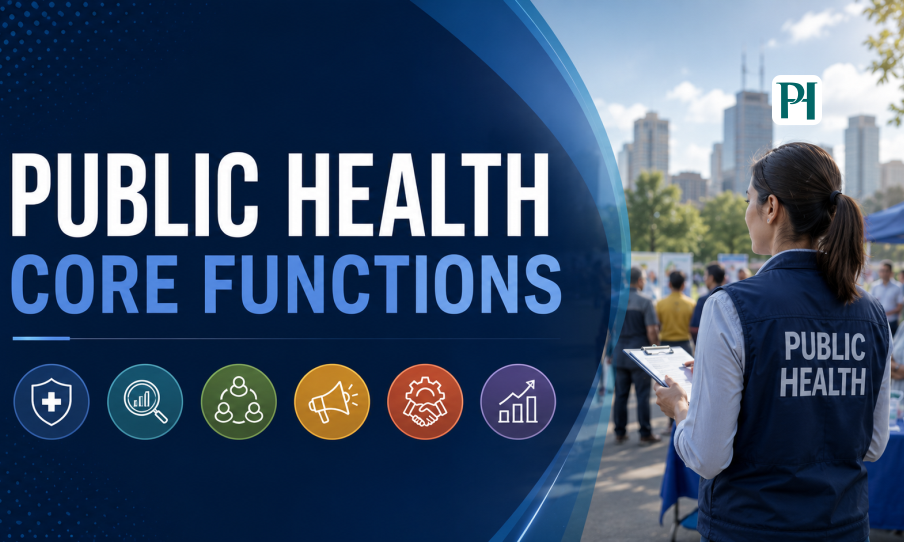
Most people never notice it, yet every working society depends on quiet systems keeping everyone healthier. Built right into those systems sits something called public health core functions – three main jobs guiding officials and clinics alike. One comes first: checking what illnesses show up and where. Then follows shaping rules meant to fix or stop problems before they spread. The third? Making sure those rules actually reach everyone who needs them. Think of them less like steps, more like threads woven through each community’s daily safety. When one thread frays, gaps appear fast – diseases creep in, care slips away for some groups. They were made long ago but still shape how cities respond today. Anyone trying to make sense of hospitals, clinics, or outbreaks must start here, because nothing else fits together without these pieces.
The Role of Organized Health Checks and Information Review
One key part of public health work centers on checking how healthy people are by gathering and studying information about entire communities. It goes beyond counting numbers – it acts like a checkup for society’s well-being. When specialists watch trends over time, patterns start showing where issues exist and what might be fueling them. Tracking outbreaks gives clues about infections moving through areas, while looking closely at long-term illnesses such as diabetes reveals deeper concerns. Even dangers tied to air quality or polluted sites come into view when neighborhood risks get examined.
Getting things right starts with having strong systems ready – ones that watch closely and test accurately. A fresh danger means time matters; how fast facts come in shapes what happens next. Wasting effort never helps, so aiming support where it counts makes all the difference. Looking deeper into risks reveals why some suffer more – and who gets left behind. Staying close to people’s real lives lets leaders see shifts early, long before breaking points hit.
Strategic Policy Development for Sustainable Community Wellness
Once data has been collected and analyzed, the next step in the public health core functions is policy development. This phase transitions from observation to action, using the scientific knowledge base gathered during assessment to create comprehensive laws and regulations. Policy development is inherently collaborative, requiring the engagement of local leaders, healthcare professionals, and the public to build a shared vision for a healthier future. It involves more than just drafting legislation; it is about mobilizing community partnerships to identify and solve health problems through collective effort.
Strategic policy development ensures that health goals are prioritized within the broader political and social landscape. This might manifest as clean air acts, mandatory vaccination programs in schools, or zoning laws that encourage physical activity by creating more green spaces. Because these policies are rooted in evidence-based research, they provide a reliable roadmap for long-term improvement. The public health core functions emphasize that policies must be equitable and inclusive, addressing the social determinants of health such as housing, education, and nutrition. By codifying these priorities into the local and national framework, society creates a sustainable environment where healthy choices become the default rather than the exception.
Guaranteeing Health Assurance and Equitable Access to Care
The final component of the public health core functions is assurance, which focuses on the actual delivery of services and the enforcement of regulations. It is one thing to have a policy on paper, but it is another entirely to ensure that the policy is effectively implemented and that the population has access to the care they need. Assurance involves the oversight of both private and public entities to guarantee that health services are available, accessible, and of high quality. This includes everything from inspecting food service establishments to ensuring that the healthcare workforce is competent and properly trained.
A significant part of assurance is linking people to needed personal health services and ensuring the provision of healthcare when it is otherwise unavailable. In many regions, this means filling the gaps left by the private market, such as providing prenatal care for low-income families or managing community-wide immunization clinics. The public health core functions demand a level of accountability where the system is constantly evaluated to determine if interventions are working as intended. If a particular program is failing to reach its targets, the assurance function triggers a re-evaluation, leading back to assessment and policy adjustments in a continuous cycle of improvement.
Strengthening the Framework for Future Global Health Challenges
As we look toward the future, the integration of public health core functions becomes increasingly complex due to globalization and technological advancement. The rise of digital health records and real-time data streaming has revolutionized the assessment phase, allowing for more precise tracking of health trends across borders. However, these tools also require new policies regarding data privacy and security. The core functions must evolve to meet these challenges, ensuring that the fundamental goals of protection and promotion remain steady even as the methods of delivery change.
The resilience of our global society depends on the strength of these three pillars. When the public health core functions are well-funded and expertly executed, the result is a population that is better equipped to handle pandemics, environmental shifts, and the burdens of aging. It is a dynamic process that requires constant vigilance and a commitment to scientific integrity. By focusing on the core principles of assessment, policy development, and assurance, we create a safety net that catches the most vulnerable and elevates the standard of living for everyone.
Moving Forward with a Vision for Collective Safety
The ongoing application of public health core functions represents a commitment to the common good that transcends individual medical care. While clinical medicine focuses on healing the individual, public health focuses on healing the collective. This distinction is vital because many of the factors that influence our lifespan are found outside the doctor’s office—in the air we breathe, the water we drink, and the social structures we inhabit. By maintaining a rigorous focus on the public health core functions, we ensure that these environmental and social factors are managed with the highest degree of expertise.
Ultimately, the success of any health initiative is measured by the absence of crisis and the steady improvement of life expectancy and quality. Through the diligent practice of the public health core functions, we can move toward a world where health is viewed as a fundamental human right. The work is never truly finished, as new pathogens and lifestyle shifts will always present new hurdles. Yet, with a solid functional framework in place, we possess the tools necessary to adapt, respond, and thrive in an ever-changing world. The continued investment in these core areas is not just a medical necessity; it is a moral imperative for a flourishing civilization.
Read Also: Building the Future of Healthcare through the Power of Patient‑Centric Ecosystems